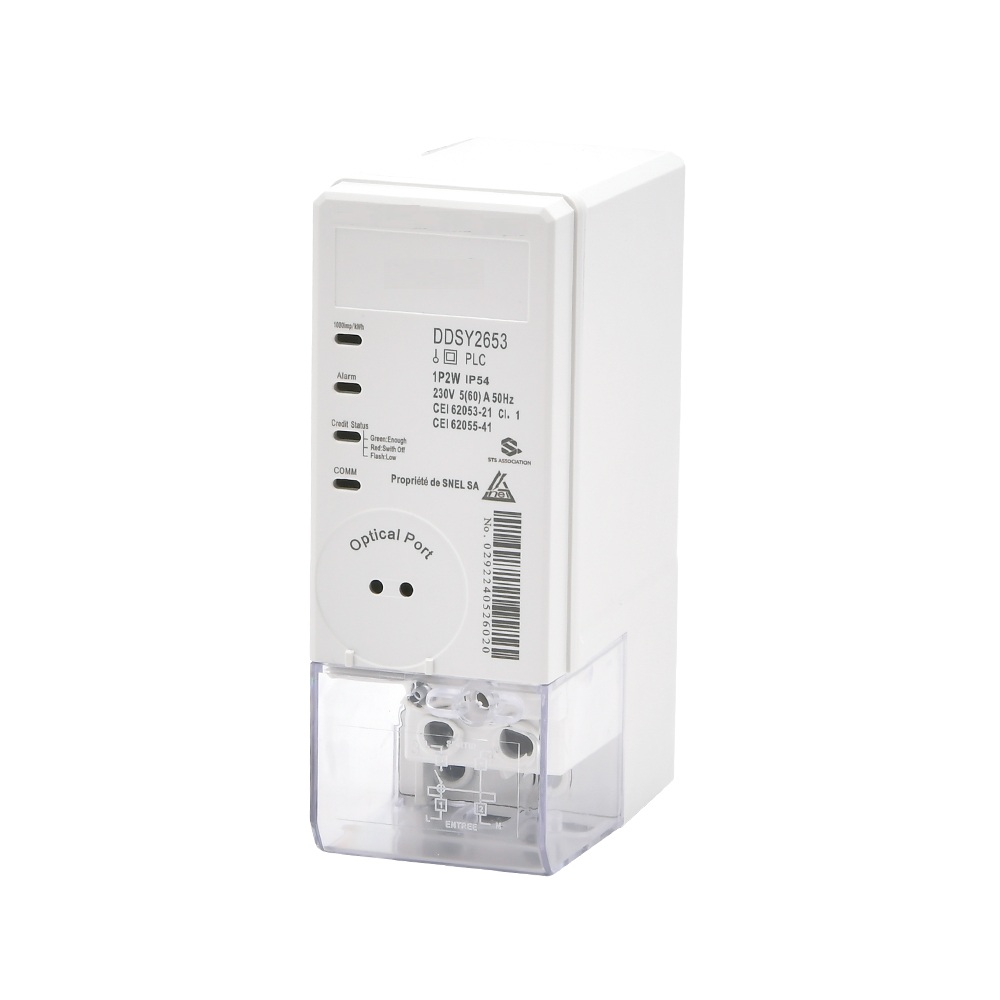
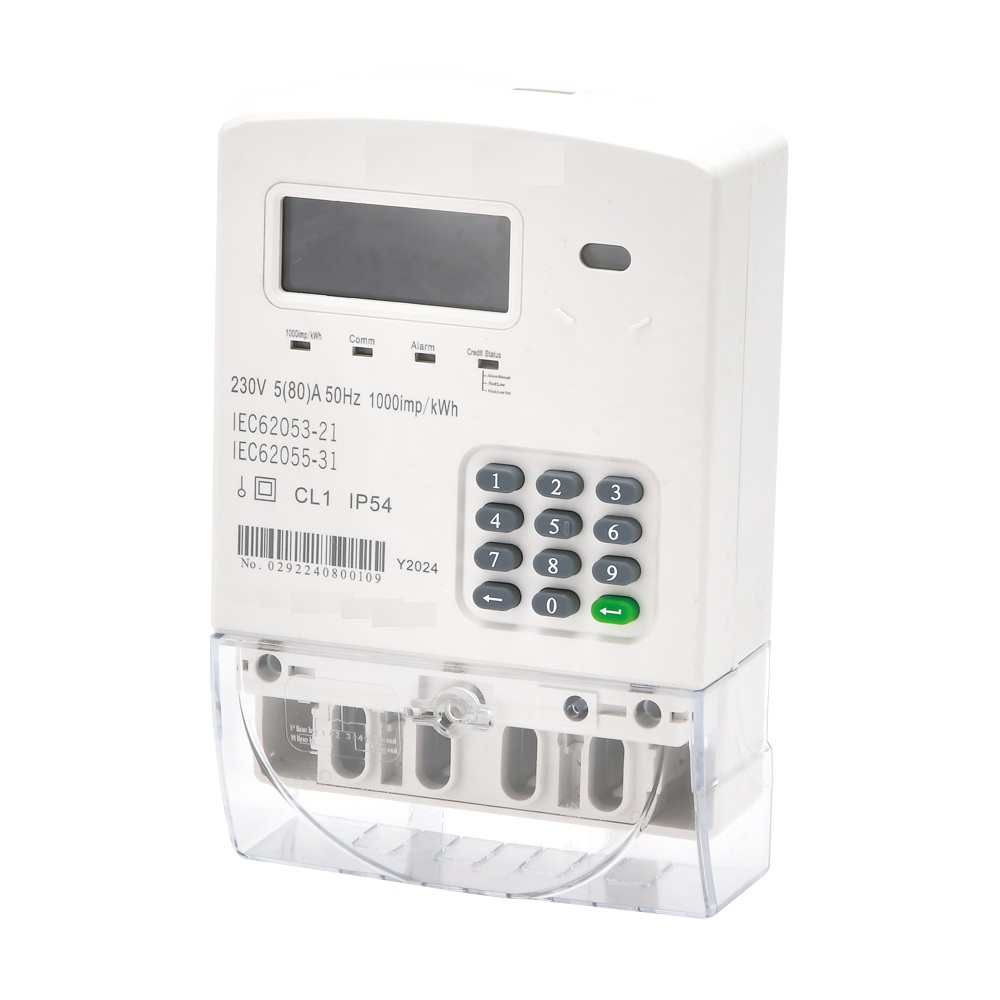
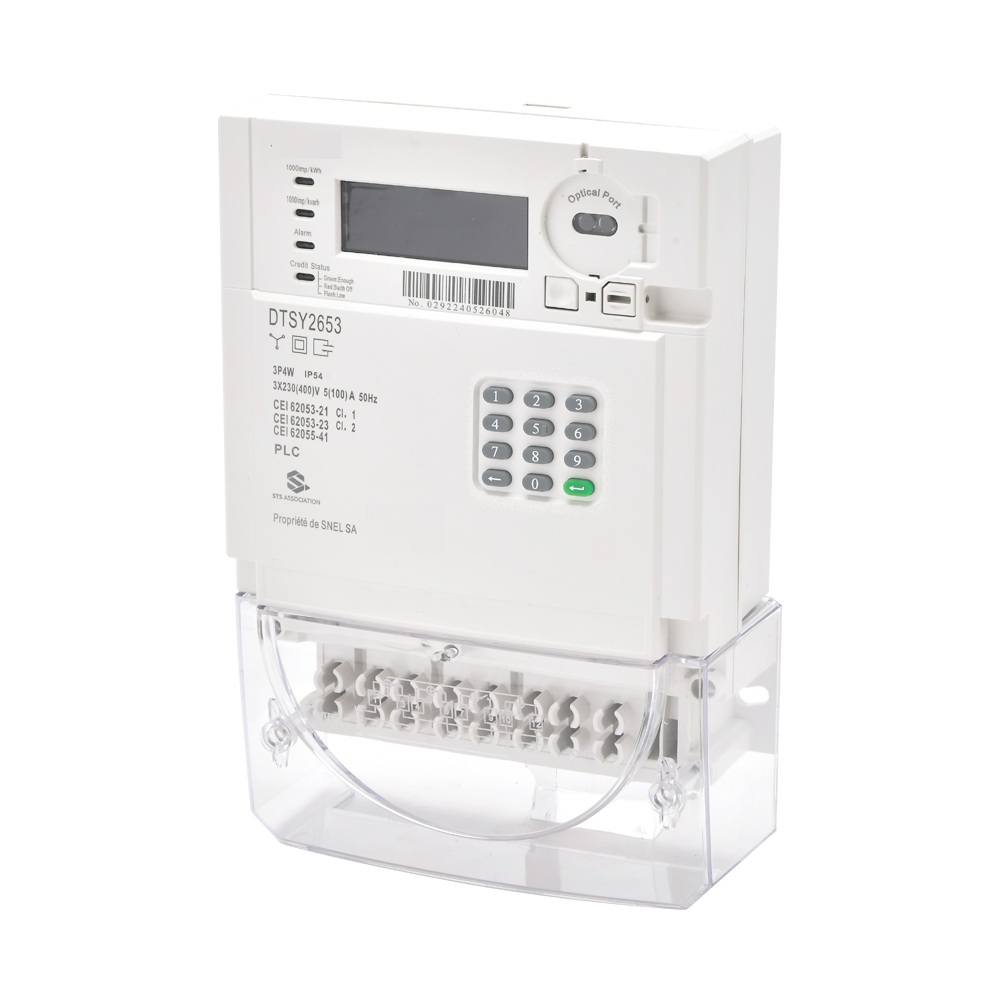
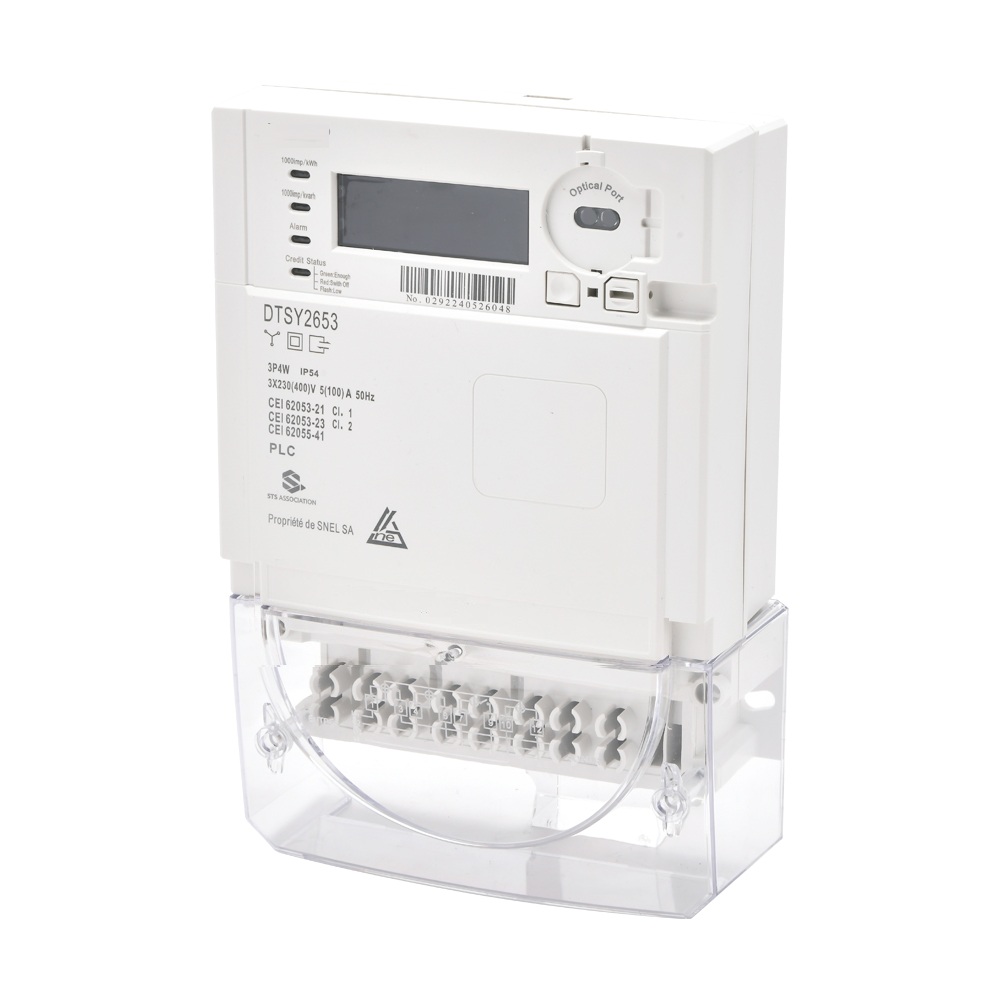
What is Cat1 electricity meter?
Publish Time: Author: Site Editor Visit: 828
The full name of Cat1 meter is LTE UE Category 1 smart meter, which is a new generation of energy metering equipment integrated with 4G Cat1 cellular communication technology. Its core feature is to achieve wireless remote transmission of electricity data through the Cat1 communication standard defined by 3GPP (uplink peak rate of 5Mbps, downlink of 10Mbps), while also possessing high-precision metering, intelligent management, and other functions. It is a key terminal device for smart grid construction.
The "Cat1" here is not a security level identifier, but an abbreviation for the wireless performance classification of user terminals (Category 1). Unlike the pure metering attribute of traditional electricity meters, its essence is an integrated intelligent terminal of "metering+communication".
2、 Core technical characteristics
1. Communication capability: Lightweight application of 4G network
Network foundation: Based on mature 4G LTE network, compatible with FDD/TDD frequency bands of mainstream domestic operators (such as B1/B3/B38/B41, etc.), without the need for additional construction of communication base stations.
Performance balance: Compared to 2G/3G meters, the transmission rate is increased by more than 10 times; Compared to high-end 4G modules such as Cat.4, the cost is reduced by 30% -50%, and the power consumption is only 60% of traditional modules.
Wide area coverage: Relying on 4G network infrastructure, stable communication can be achieved even in remote areas, solving the shortcomings of NB IoT in high-speed data transmission scenarios.
2. Measurement and management functions
High precision measurement: compliant with international standards such as IEC 62053-21, with an accuracy level of 1, capable of real-time collection of more than 10 power grid parameters including voltage, current, power factor, harmonics, etc.
Intelligent management: supports peak and valley billing at different time periods, remote recharging, overload and power-off, anti-theft electricity alarm and other functions. Some models have built-in relays that can achieve remote on-off control.
Data Security: Adopting encrypted transmission protocols and secure authentication mechanisms to prevent data tampering and illegal access, ensuring the credibility of electricity data.
3. Installation and compatibility
Flexible deployment: The mainstream adopts DIN rail installation, which can be directly embedded into the distribution cabinet, suitable for narrow spaces in industrial, commercial, and residential scenarios.
System compatibility: Supports protocols such as Modbus RTU and Ivy Bus, seamlessly integrating with existing smart grid platforms and energy management systems.
3、 Core Advantage: Why Become a Substitute for Mainstream?
Economy: The module cost is only one-third of Cat.4, and remote operation and maintenance reduces manual meter reading costs. The annual operation and maintenance cost for commercial users can be reduced by more than 200 yuan per unit.
Energy saving: Through real-time load monitoring and abnormal warning, industrial users can reduce ineffective energy consumption by 15% -20%, indirectly reducing electricity bills.
Adaptability: The single antenna design (Cat.1bis standard) balances volume and performance, adapting to a variety of scenarios from home distribution boxes to industrial distribution cabinets.
Forward looking: Supports a smooth transition from 4G to 5G networks, avoiding the risk of device obsolescence caused by 2G network outages.
4、 Typical application scenarios
Scene Type
Specific applications
smart home
By linking air conditioning, water heaters, and other equipment, and automatically adjusting electricity consumption strategies based on real-time electricity prices, we can achieve household energy savings of 10% -15%
commercial building
Measure energy consumption by floor and tenant, and optimize the operation time of central air conditioning and lighting systems based on peak and off peak electricity prices
industrial production
Monitor the electrical load of production line equipment, predict equipment failures, and reduce downtime by more than 30%
public facilities
Electricity monitoring for unmanned stations such as streetlights and base stations in remote areas to reduce manual inspection costs
Power operation and maintenance
The power company realizes centralized meter reading and load dispatch of millions of level electricity meters, enhancing the balance capability of the power grid
5、 Key differences from similar products
Comparing dimensions
Cat1 electric meter
NB IoT electric meter
Traditional 4G (Cat.4) electricity meter
transmission rate
5-10Mbps (supports real-time data)
<250kbps (only supports low-speed reporting)
150Mbps (performance surplus)
Module cost
moderate
low
tall
Power consumption level
Low (annual power consumption<2 kWh)
Extremely low (annual power consumption<1 kWh)
High (annual power consumption>5 kWh)
Applicable scenarios
Medium speed demand for industrial monitoring, commercial metrology, etc
Low speed scenarios such as resident meter reading
High bandwidth scenarios such as video surveillance