Load monitoring of feeders and distribution transformers: What should be measured by electricity meters and data systems under high load access
Publish Time: Author: Site Editor Visit: 181
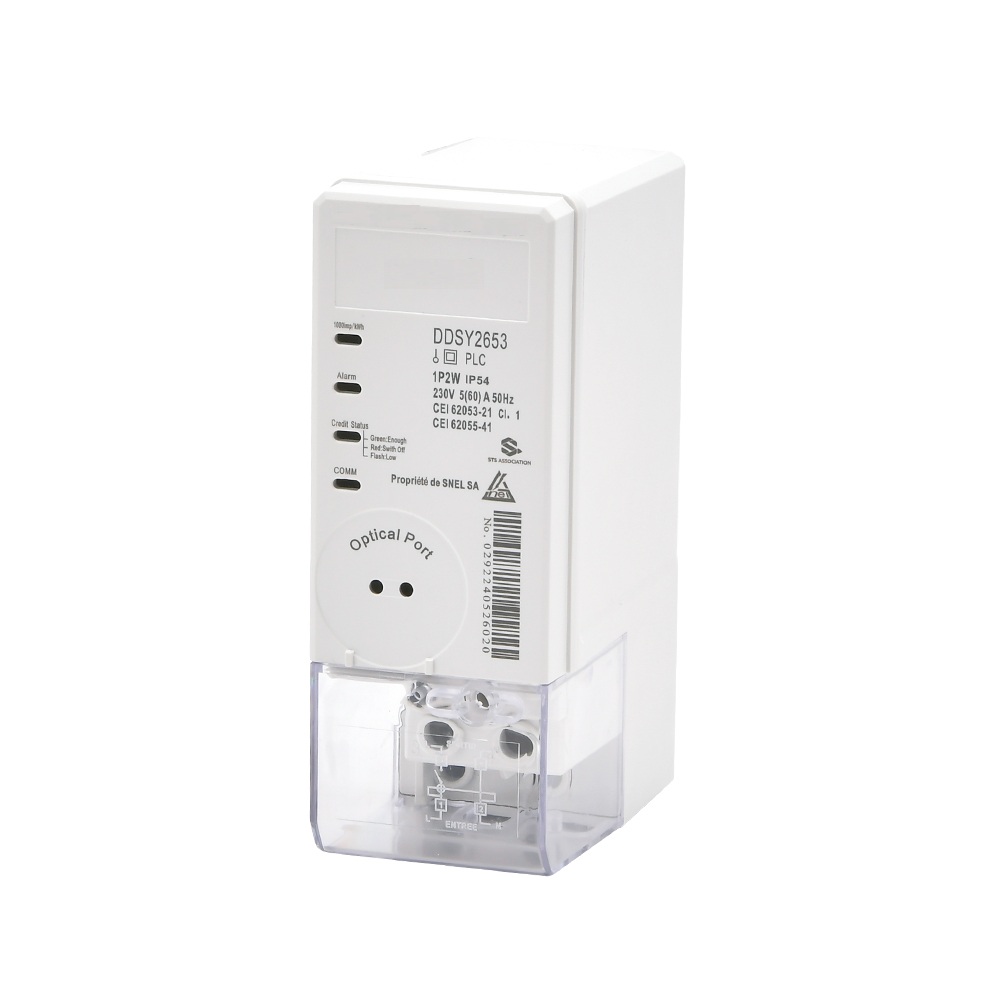
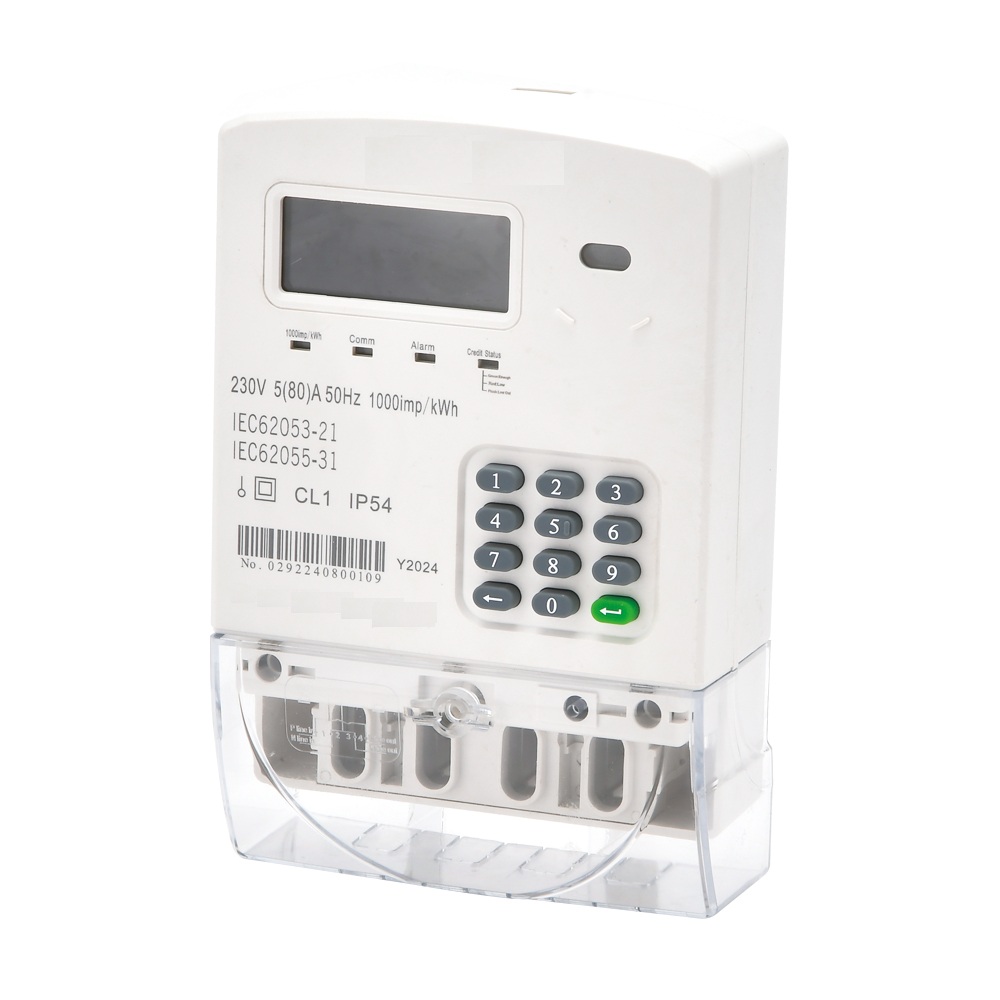
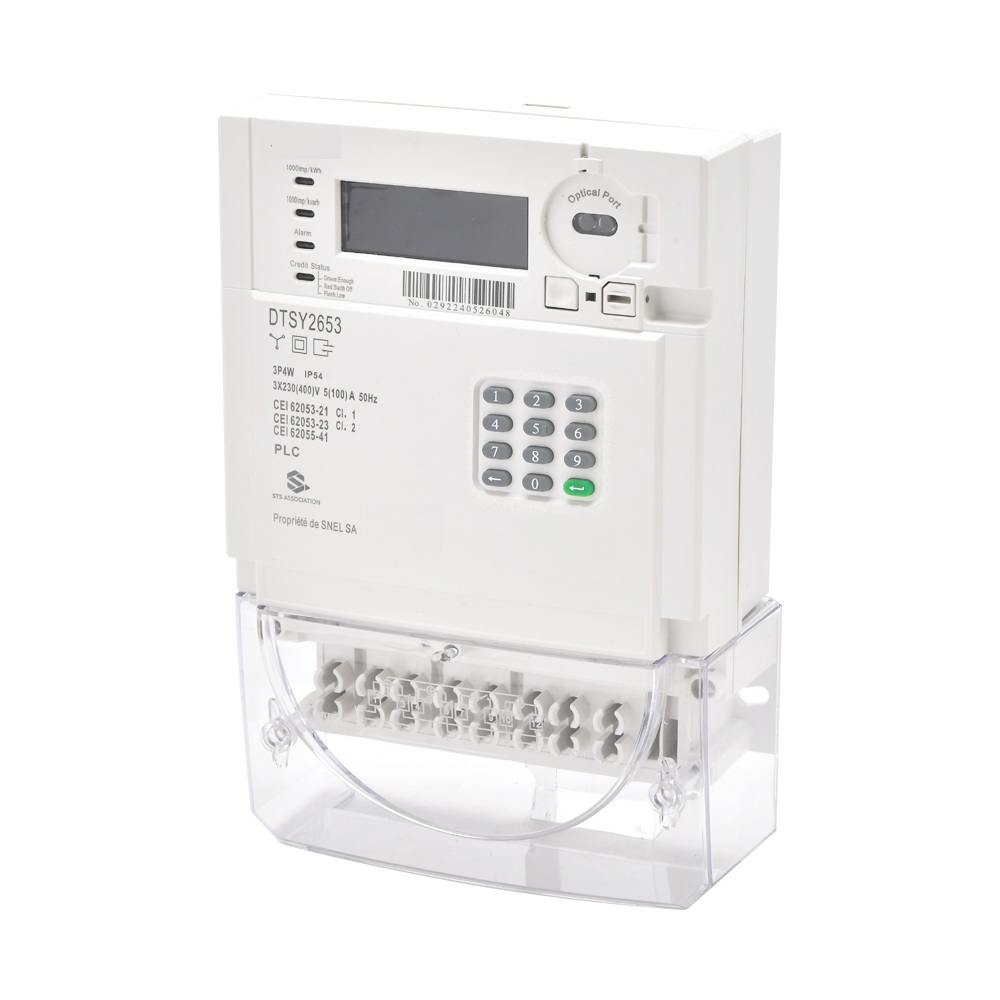
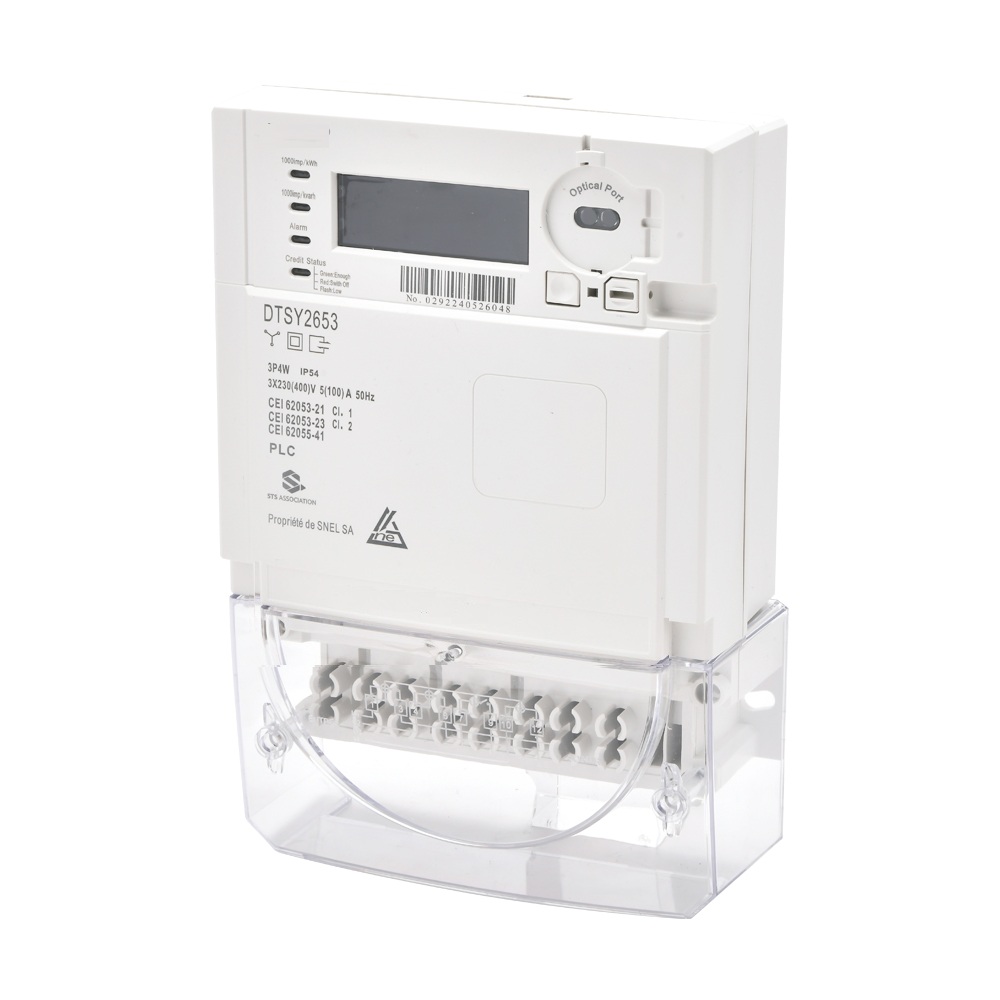
A reliable heavy load monitoring scheme should usually distinguish four measurement levels: feeder boundary, distribution transformer or distribution cabinet boundary, user side incoming line boundary, and internal circuit sub item measurement. Each layer of data should clearly specify the measurement point, wiring method, transformer ratio, timestamp, communication link, and data usage.
The energy meter provides on-site electrical measurement data. It cannot replace the final acceptance process of power grid planning, protection setting, scheduling system, EMS/BMS platform, charging pile controller, energy storage PCS or utility units.
The responsibilities of electricity meters, concentrators, and platforms should be clearly defined
In smart electricity or distribution monitoring projects, common data links can be represented as:
Electric energy meter or sensor → RS485/Modbus, DLMS or project defined communication → Concentrator/Gateway/PLC → HES/MDM/EMS/BMS/Platform → Reports, alarms, analysis or control strategies
Conclusion
The integration of heavy loads causes the distribution side to shift from "looking at total electricity" to "looking at boundaries, time, curves, and simultaneity". The feeder load, distribution transformer load, user side incoming load, and internal circuit load represent data at different levels and cannot be simply added or replaced with each other.
A reliable monitoring plan should first define the measurement boundary, and then select the electricity meter and communication architecture. The electricity meter is responsible for providing on-site measurement data; Concentrators and gateways are responsible for collecting and forwarding data; EMS, BMS or smart power platform are responsible for analyzing and displaying; The final rules for grid connection, acceptance, billing, and protection are still determined by the relevant power grid companies, owners EPC、 Confirmed by system integrator and regulatory authorities.
For project buyers, the most effective inquiry is not just about whether there is a smart meter, but about specifying the measurement points, phase line system, voltage and current range, CT ratio, required data fields, communication interfaces, data intervals, platform interfaces, and actual usage.