What kind of electricity meter is good for household users to use? How to choose a household electricity meter
Publish Time: Author: Site Editor Visit: 619
For household users, choosing the right electricity meter can not only accurately grasp the electricity consumption situation, but also ensure electricity safety. Many people don't know where to start when faced with electricity meters on the market. In fact, as long as they grasp the four core dimensions of accuracy, safety, intelligence, and adaptive power, and combine them with their own household needs, they can easily choose the right electricity meter.
From the perspective of accuracy, this is the fundamental requirement for household electricity meters. China has clear standards for the accuracy of household electricity meters, with priority given to products with level 1 or level 2 accuracy (the smaller the accuracy level number, the more accurate it is). The error range of the first level meter is within ± 1%, and the second level meter is within ± 2%. Choosing a second level meter for daily household electricity consumption can already meet the demand. If high accuracy is required for electricity data (such as fine control of electricity in multi population households), a first level meter is more suitable. When purchasing, it is important to note that regular electricity meters will be labeled with accuracy levels and must pass national metrological certification to avoid buying unverified "three no products", otherwise there may be inaccurate measurement and overpayment of electricity bills.
Safety is the key bottom line when choosing an electricity meter. Firstly, consider the material of the electric meter's casing, and prioritize choosing a flame-retardant ABS plastic casing to reduce the risk of fire in the event of high temperatures or short circuits; Next, check the wiring terminals. The terminals of high-quality electric meters are made of copper material and have anti electric shock protection design to avoid accidental contact and injury by family members; Also pay attention to whether the electricity meter has overcurrent and overvoltage protection functions. When the current or voltage in the circuit exceeds the safe range, the electricity meter can cut off the power supply in a timely manner to prevent electrical damage or fire. In addition, regular electricity meters will have a 3C certification mark, which is an important proof of meeting safety performance standards and must be carefully checked.
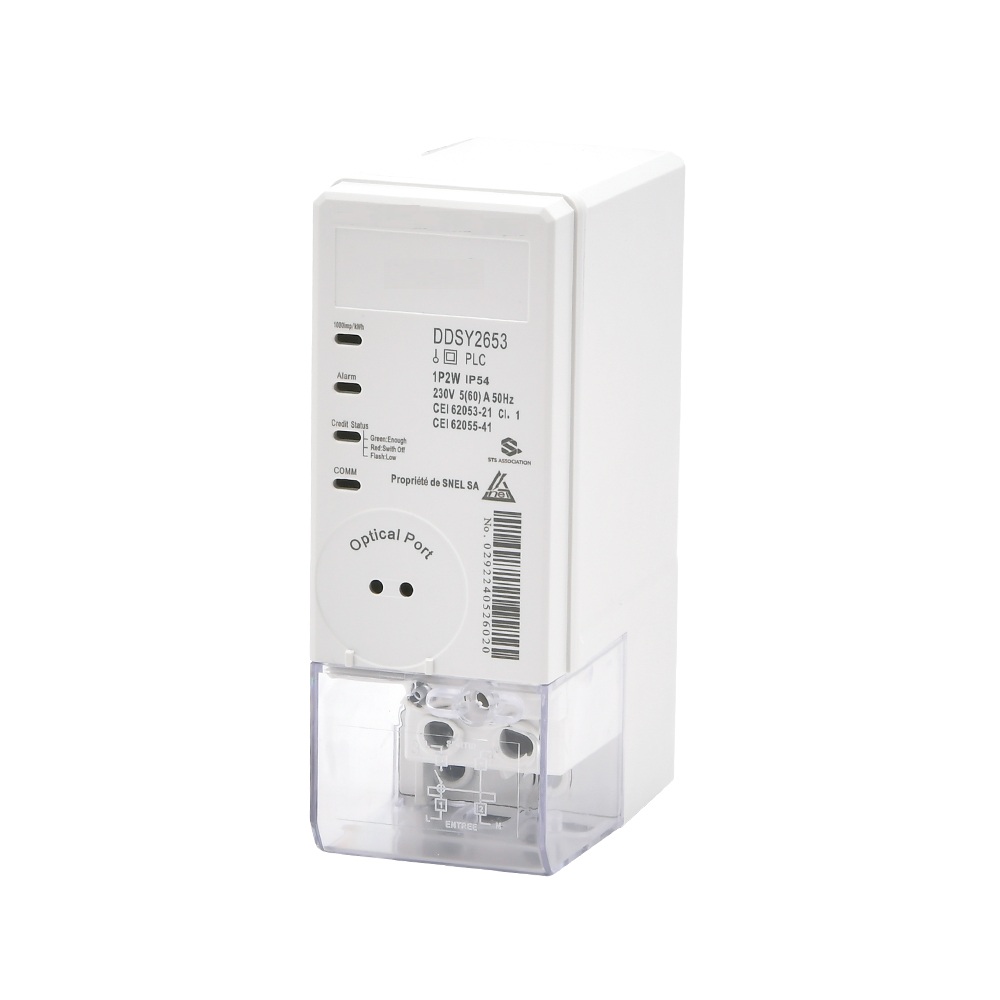
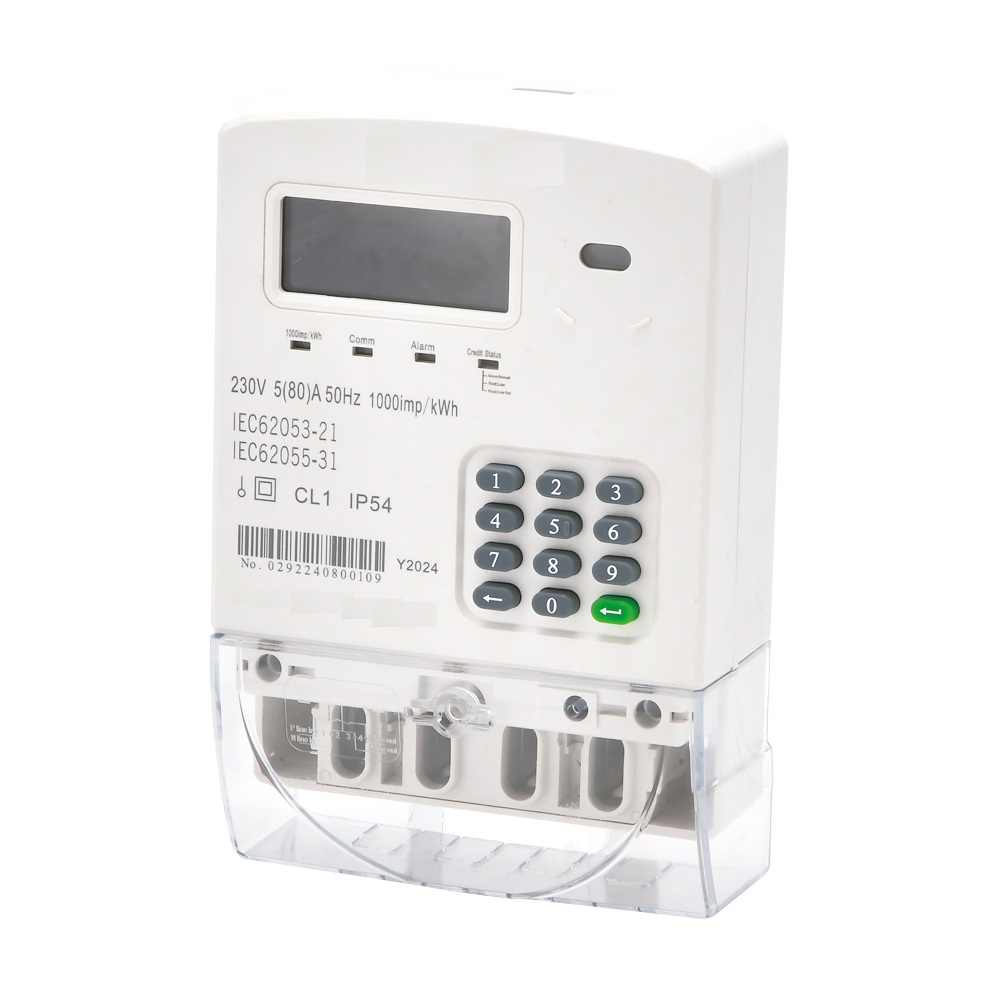
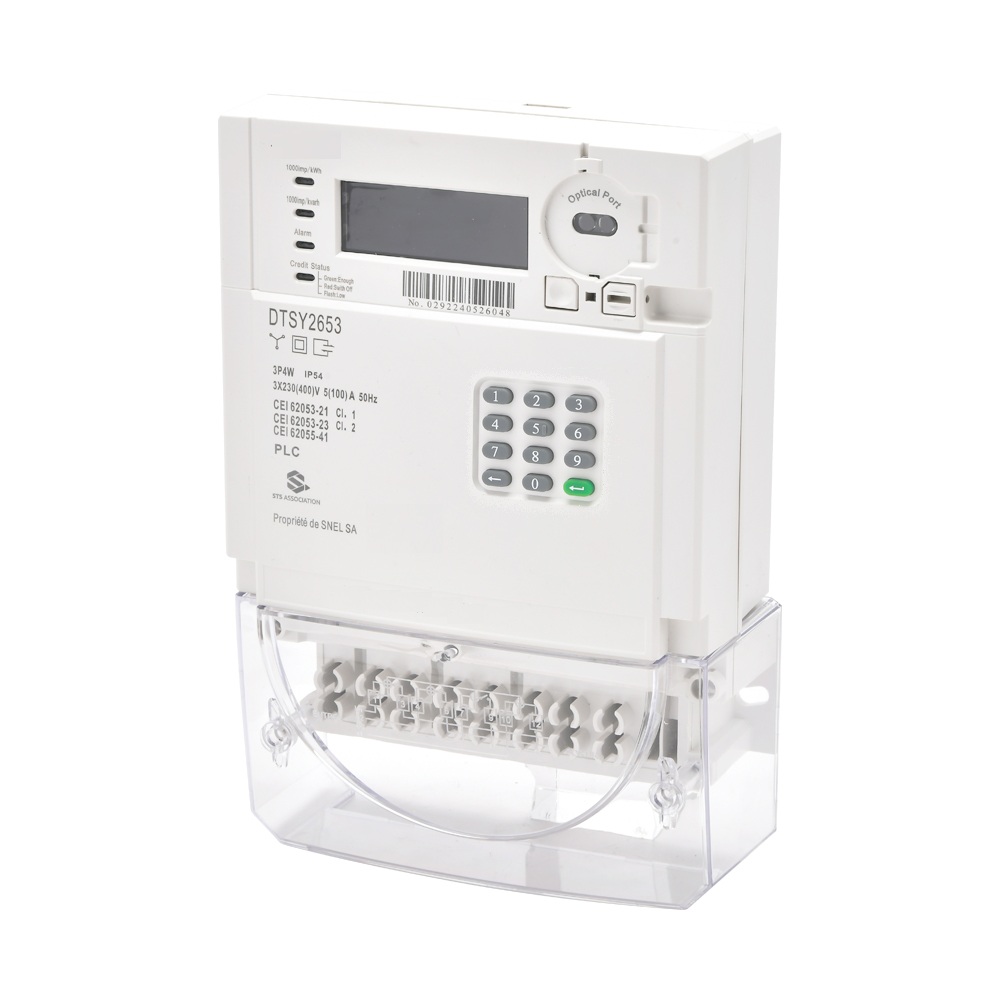
With the popularization of smart homes, intelligence has become an important consideration for household electricity meters. Smart meters can display real-time electricity consumption data, and some also support remote viewing through mobile apps, making it convenient for households to monitor electricity consumption during peak and off peak periods and adjust their electricity habits (such as avoiding peak hours and using high-power appliances), achieving the goal of energy conservation and saving money. In addition, some smart meters also have a fault alarm function. When there are problems such as leakage or overload in the circuit, the alarm information will be pushed in a timely manner to remind users to investigate hidden dangers, especially suitable for office workers or elderly households living alone.
The adaptive power should be determined according to the household electricity load. If an ordinary household only has conventional appliances such as refrigerators, televisions, and air conditioners (1-2 units), choose an electricity meter with a maximum current of 60A (labeled as "220V 10 (60) A"); If there are high-power appliances such as ovens, electric water heaters, and central air conditioning in the home, or if there are a large population and dense electrical equipment, it is recommended to choose an electric meter with a maximum current of 100A (labeled as "220V 15 (100) A"). If the adaptive power of the electricity meter is insufficient, it will cause overload operation of the electricity meter, which not only affects the measurement accuracy, but may also cause safety accidents due to overheating. Therefore, it is best to check the total power of high-power appliances in the home before selection to ensure that the electricity meter can "withstand" them.
Considering different layouts, small-sized units (one bedroom and one living room or two bedroom and one living room, with a permanent population of 2-3 people) have lower electricity loads. Therefore, choosing a level 2 precision, 60A current, and basic intelligent function meter is sufficient to balance cost-effectiveness and practicality; For medium-sized apartments (three bedrooms and one living room or three bedrooms and two living rooms, with a permanent population of 3-5 people) with 2-3 air conditioners and 1 electric water heater, it is recommended to choose a smart meter with level 2 accuracy, 60-100A current, remote viewing with APP, and fault alarm; For large apartments (four bedrooms or more, or with multiple high-power appliances), priority should be given to smart meters with level 1 accuracy, 100A current, and more comprehensive functions to ensure electrical safety and accurate measurement.
In short, when choosing a household electricity meter, there is no need to blindly pursue high prices or multifunctionality. As long as we focus on the four key points of "precise compliance, safety and reliability, intelligent practicality, and power adaptation", combined with our own layout and electricity habits, we can choose a suitable and worry free product.