There are many rumors about electricity meters, which one have you heard of?
Truth: According to the Metrology Law, the country enforces mandatory management of electricity meters to ensure accurate and reliable metering. A power meter will undergo multiple inspections in accordance with the law from the production enterprise to the user's home, mainly including three major quality checkpoints.
Three major quality checkpoints
1. Quality control of electric meter production enterprises. Electric meter production enterprises must obtain a certificate issued by the Provincial Administration for Market Regulation in order to mass produce electric meters; The electricity meter must pass the first, second, and third inspections before it can be sealed at the factory.
2. Quality inspection of power companies: In addition to having a complete and strict quality control system for electric energy meters, the company's metrological verification institution is authorized by the government's market supervision department in accordance with the law. After the metrological verification personnel and verification equipment have been assessed and qualified by the market supervision department, they will carry out mandatory verification of each meter in accordance with the law. After passing the verification, a strong inspection seal will be added before installation on site.
3. Supervision by government market supervision departments. In addition to strict requirements for the qualifications of electricity meter manufacturers and mandatory calibration of power companies, local market supervision departments also conduct random inspections of electricity meters before installation and during operation to ensure standardized calibration and accurate measurement. The above three major obstacles are indispensable. The inspection checkpoints are stuck one by one, and the government market supervision department supervises the entire process. Power companies and meter manufacturers cannot intentionally speed up the meters.
Rumor 2: The electricity consumption of the meter itself will be passed on to the customer.
Truth: This is a typical rumor. Smart meters have already taken into account their own power consumption during design. The load of the meter itself is in parallel with the residential electricity load, and is divided into two power consumption branches: the energy of the residential electricity branch is measured separately, and the losses and expenses included in the meter's own power consumption are borne by the power company and not accumulated in the customer's electricity consumption.
In addition, ordinary people can also do a simple verification by themselves: if there is no leakage problem in your home, the pulse light on the electricity meter will not flash when the household switch is turned off, indicating that the meter is not reading. If you don't believe it, go home and try it out?
Rumor 3: Limited to 5A, the current exceeds the limit and the characters move quickly!
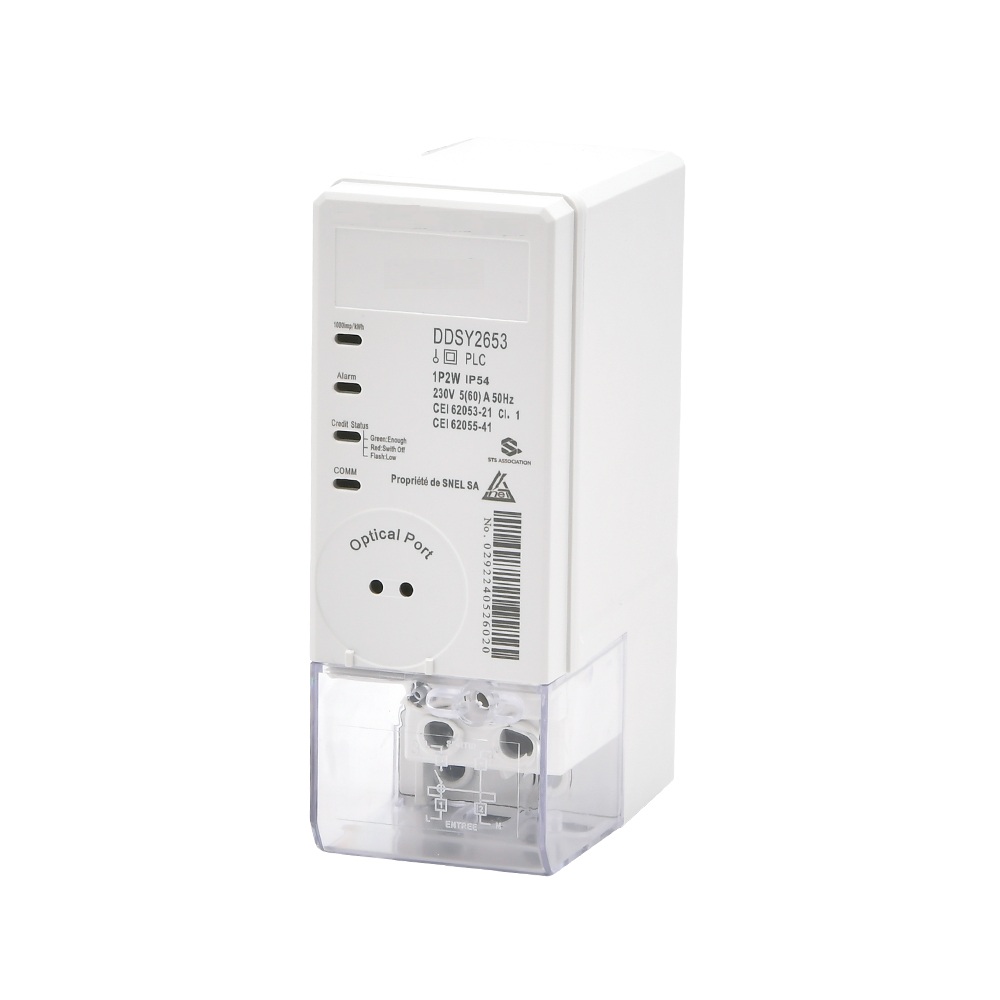
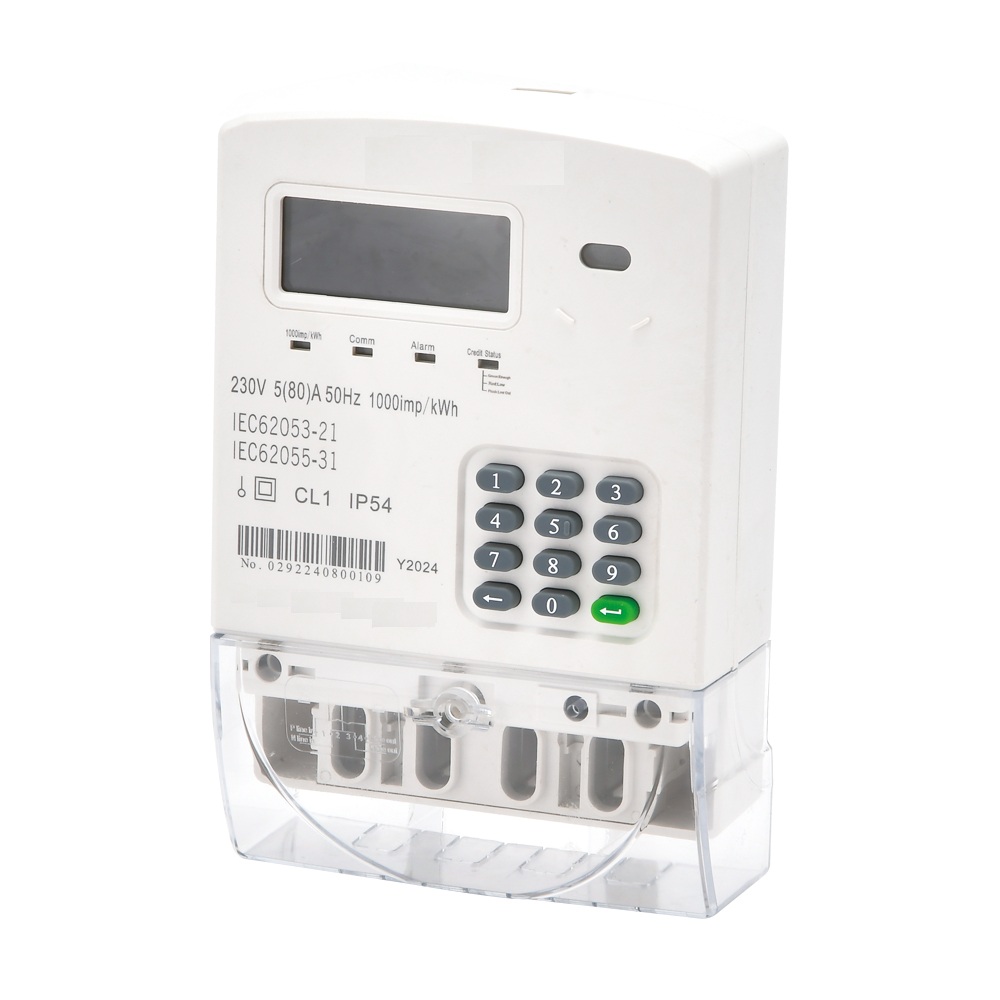
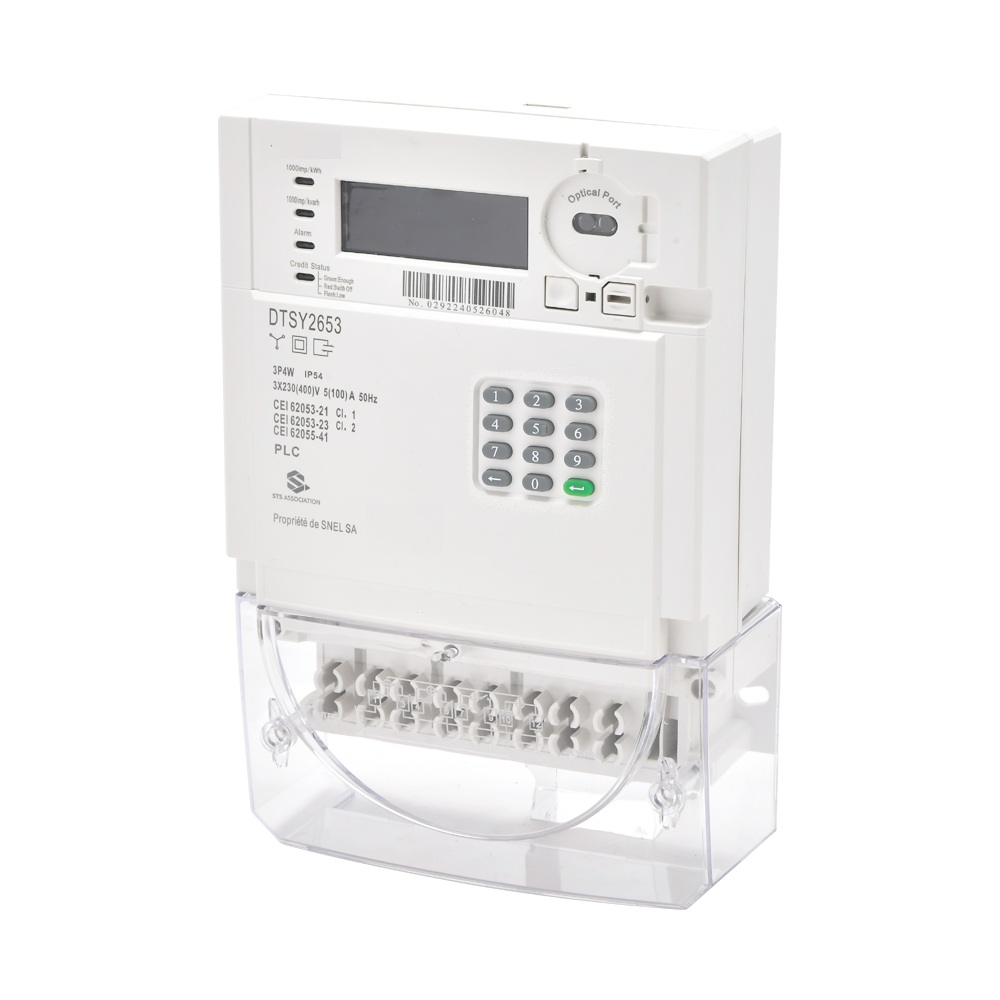
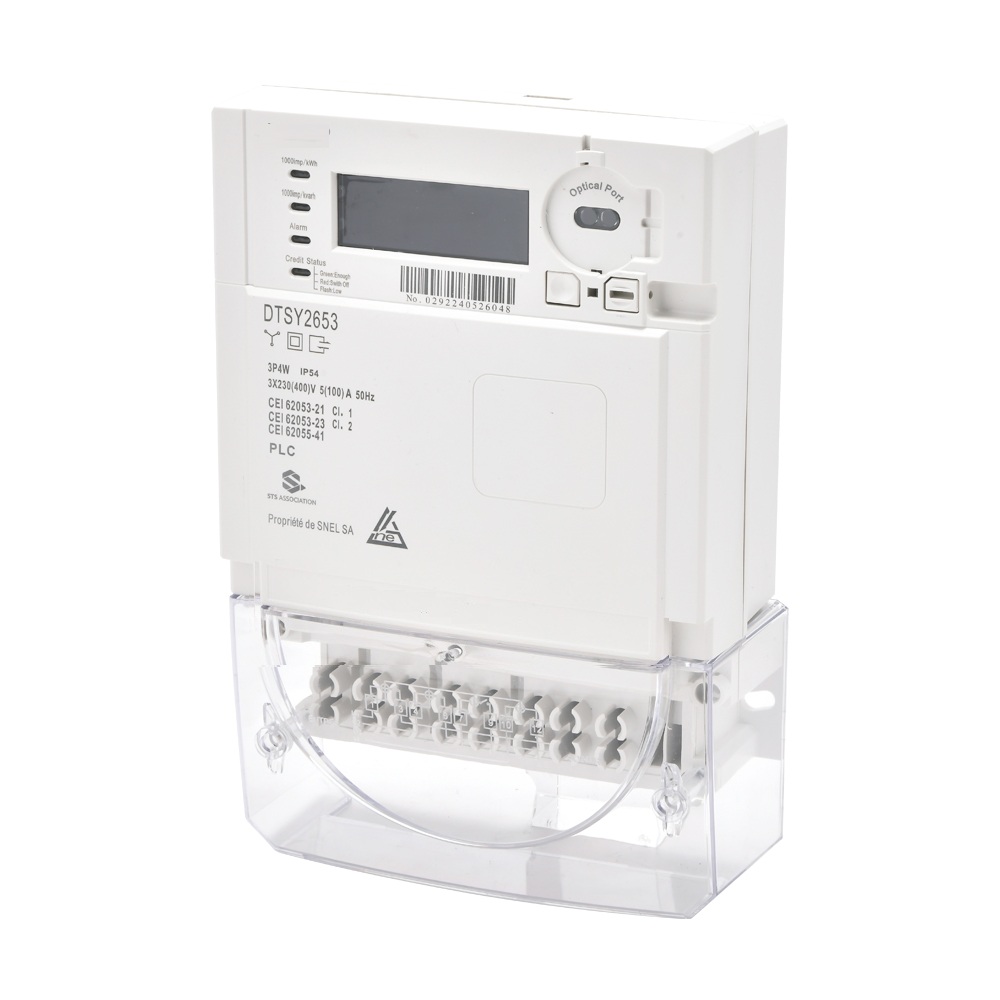
Truth: The current indicated on the nameplate of a smart meter generally includes specifications such as 1.6 (6) A and 5 (60) A. Taking 5 (60) A as an example, the meaning of the current indication is explained -5A represents the rated current, 60A represents the maximum current allowed by the meter, that is, the upper limit of the normal operating current.
Additionally, you may notice that the current specifications of some new meters are different from the original labeling method. For example, "0.25-0.5 (6) A" is because the 2021 national standard for electric energy meters has adjusted the labeling method for light load current specifications based on the OIML R46 document of the International Organization for Legal Metrology, and the range of intelligent metering is consistent.
Rumor 4: The electricity meter was replaced even though it wasn't broken, there must be some trickery involved.
Truth: According to the national metrological verification regulations, when the operation of an electric energy meter reaches a certain time limit, it should be rechecked ("The old meter is old! It's time for a physical examination!").
With the adjustment of national electricity pricing policies, the functions of old and outdated electricity meters can no longer effectively support the changes in national electricity pricing policies, so it is necessary to replace the electricity meters.
Kind reminder
The replacement of the electricity meter is funded and maintained by the power company, and does not require citizens to pay any fees. If someone comes to replace the electricity meter and charges a fee, it must be a scammer! Residents must be vigilant and report to relevant departments as soon as possible. The time for changing the meter is about half an hour, and it will not affect the normal electricity consumption of residents. You can rest assured.
Rumor 5: No one lives at home, but the electricity meter keeps running.
Truth: If the electrical switch is turned off but the plug is not unplugged, the appliance will still be in standby mode, which will also result in power consumption. Save electricity, start by unplugging!
At the same time, in order to ensure measurement fairness and protect customer rights, power supply companies will also cooperate with market regulatory departments to carry out remote monitoring and analysis of power big data, monitor the measurement errors of each smart meter in real time, accurately locate abnormal measurement points, and improve the efficiency of on-site problem handling.
Rumor 6: Changing the electricity meter resulted in a sharp increase in electricity consumption.
Truth: No matter how old or new the electricity meter is, the measurement method has not changed. Just smart meters are more accurate in measuring than honest mechanical meters.
It is impossible to determine the measurement accuracy of an electricity meter without using inspection devices that are not traceable to national measurement standards and are not formal. Error verification, the verification of electrical energy is carried out through error verification of the electric meter to determine its measurement accuracy.
If you suspect that the electricity meter is not accurate, you can also apply for meter calibration. The power supply company will arrange professional personnel to conduct on-site verification. After obtaining your consent, it will be dismantled and sent to a legal metrological verification institution for verification. The verification results will be replied within 7 working days. If the verification result confirms that the measurement error of the electricity meter exceeds the tolerance, the power supply company will issue a "refund for excess or supplement for insufficient" to the user's electricity based on the verification result; If users still have objections to the verification results, they can apply for arbitration verification to the local government metrology administrative department.