Basic knowledge of electric energy meter
Publish Time: Author: Site Editor Visit: 36
Voltage
Generally, electric meters are divided into two voltages: 220V (230V) and 110V (120V). For special electric meters, the high voltage meter has a voltage of 57.7V. Different voltages require consideration of whether the power supply can work, whether the high voltage consumes too much power, and whether the low voltage can output stably.
Current Ib (Imax)
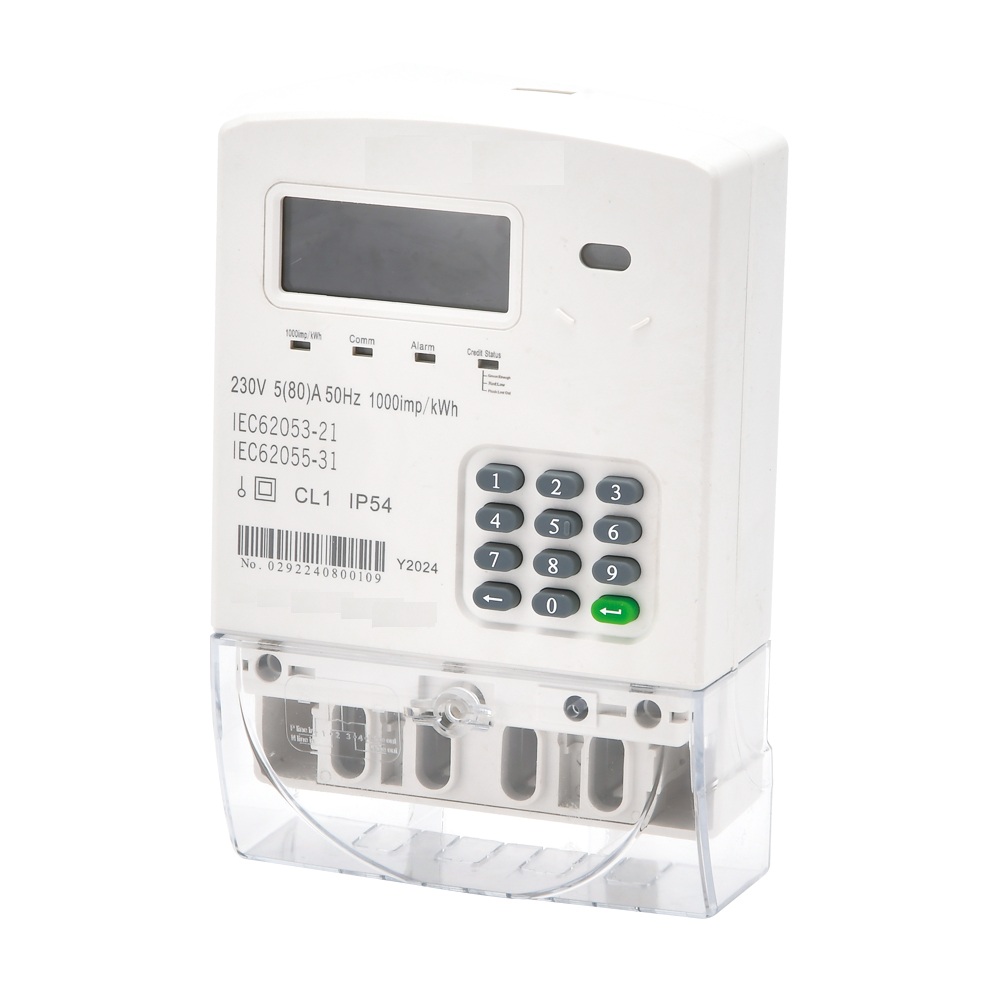
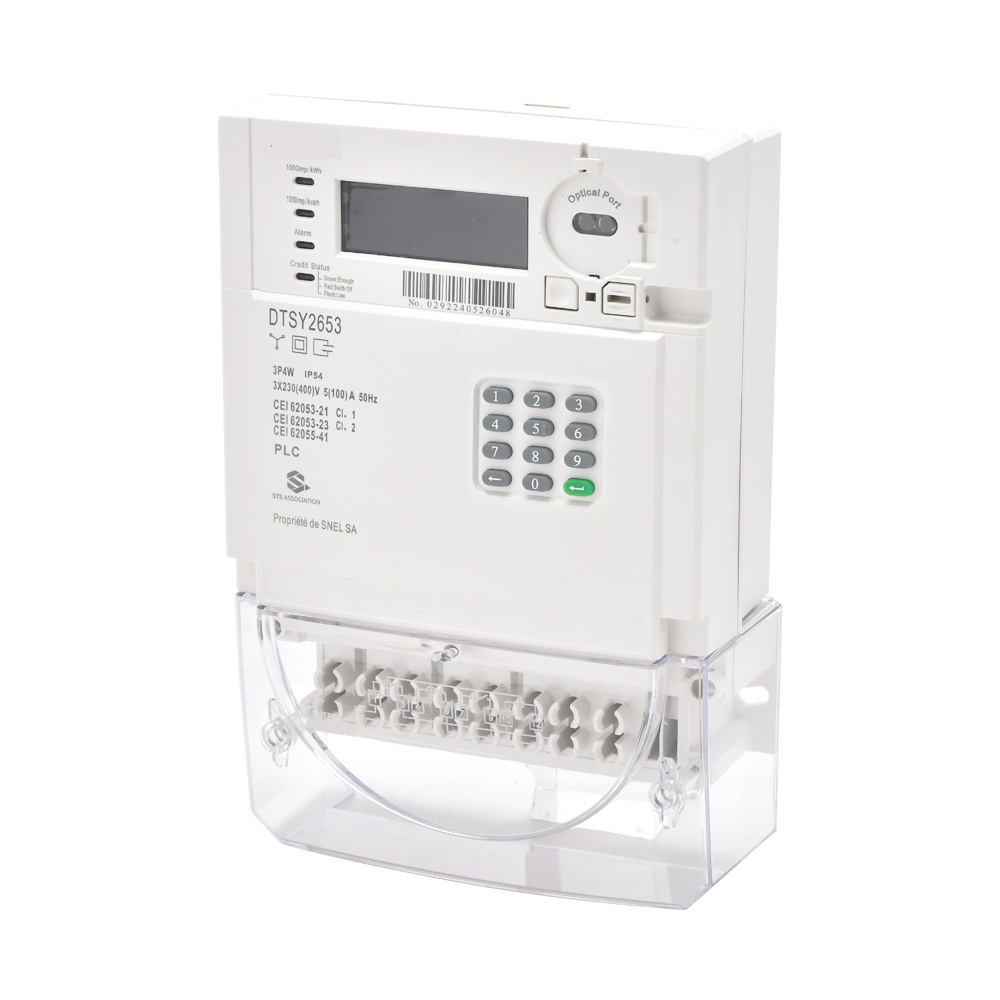
Direct formulas: 5 (100) A, 10 (100) A, 5 (60) A
Mutual inductance: 5 (10) A, 1.5 (6) A, 1 (10) A
. Constant
Direct formulas: 800imp/kWh, 1600imp/kWh, 3200imp/kWh, 6400 imp/kWh
Mutual inductance: 8000mp/kWh, 10000imp/kWh, 12000mp/kWh, 12800mp/kWh
The constant represents the energy level represented by each pulse, which can also be said to be the number of pulse signals required for one degree of electricity. A mutual inductance meter requires a large CT to be connected externally, and the actual input current is much smaller than the primary current.
Frequency
50Hz and 60Hz electricity meters are generally compatible with two frequencies. But with one of the frequencies as the main one
Accuracy level
Normal level: 0.2S 0.5S 1.0 2.0 level is used for measuring electrical energy. At present, we mainly produce level 1 meters and some level 0.5 meters; Precision level: 0.01 0.05 level is mainly used as a calibration benchmark for ordinary level electric energy meters.
2、 Basic functions of electric meters
Electricity metering
Electricity metering is generally divided into: active power: forward active power, reverse active power; Reactive power: forward reactive power, reverse reactive power, four quadrant reactive power.
. Demand
Demand is generally divided into: demand measurement, monthly demand, cumulative demand, and continuous cumulative demand. Demand can be understood as the average power over a period of time, representing the user's demand for short-term high power, used to analyze the user's load situation.
Rate Measurement (TOU)
Time schedule: The day is divided into different time periods and charged at different prices.
Time zone table (seasonal table): Divided into different time zones throughout the year, different time period tables can be selected.
Public holiday: a specific day of the year with a specific time schedule.
Event record
Events generally include: lid opening, voltage loss, power outage, parameter setting, reverse, overvoltage, undervoltage, overcurrent, etc. Event records can be stored individually or in pairs, while also recording the occurrence and recovery of events.
Communication method
RS485: Twisted pair communication, requires wiring, with a distance of 1200 meters.
IR: Local infrared communication, one-on-one communication.
M-bus: Dual line communication, capable of providing power.
RF: point-to-point wireless communication, achieving short-range wireless communication.
WIFI: By adding a wireless hotspot, remote communication can be achieved.
Lora: Spread spectrum wireless technology has relatively better communication distance.
LoraWAN: Wireless communication with fixed base stations.
Zigbee: 2.4G frequency band wireless communication, using Zigbee physical layer, can achieve routing and forwarding.
GPRS/3G/4G: Communication residing in cellular networks, capable of remote reading and access to operator networks.
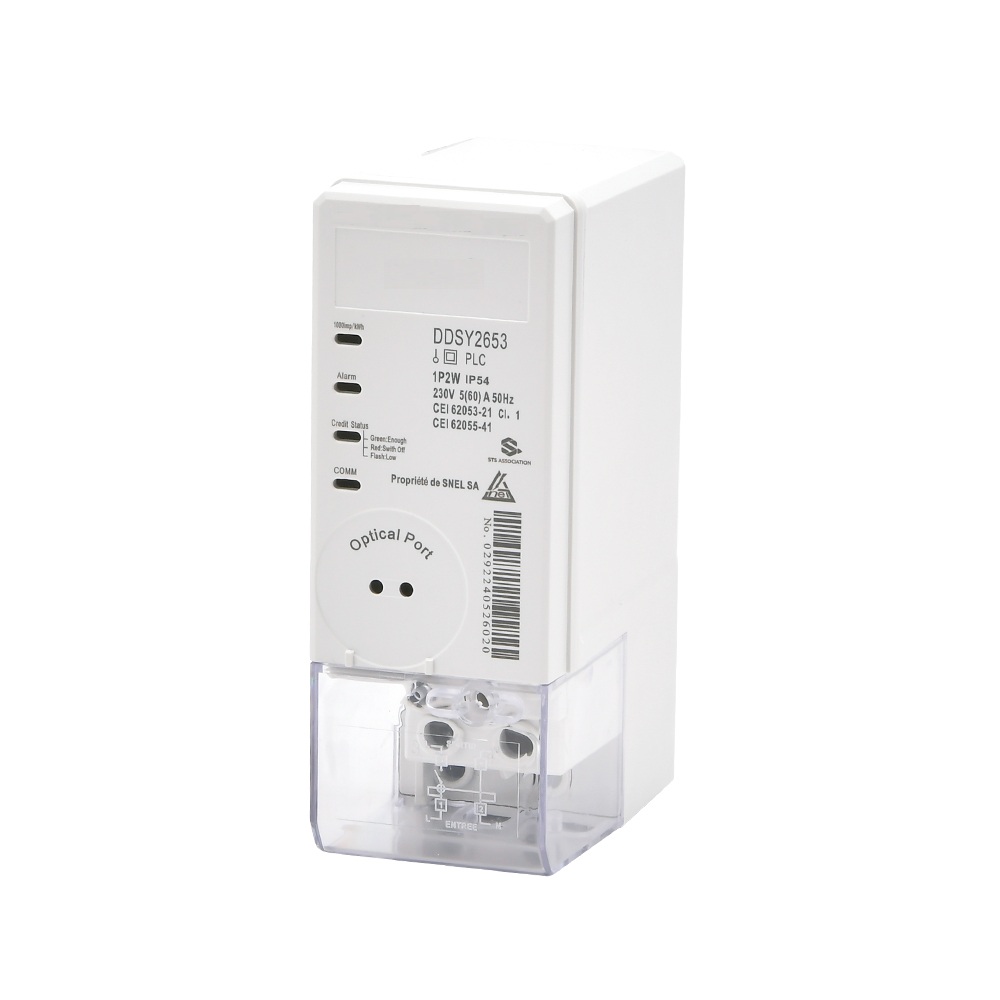
PLC (narrowband, broadband): Current line carrier communication, utilizing existing power grid lines to achieve data communication.
NB-IOT: Narrowband Internet of Things with more access points and better penetration.