Electric energy meters contribute to the development of power applications
Publish Time: Author: Site Editor Visit: 21
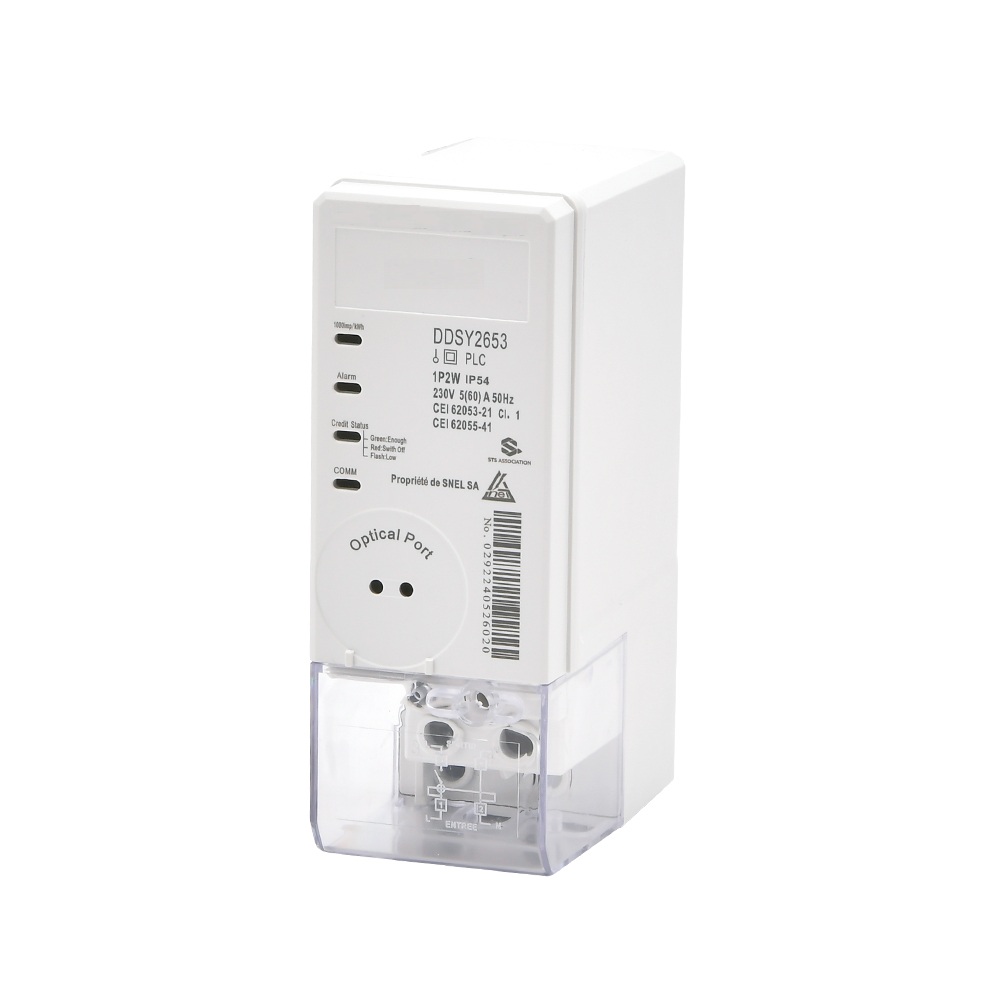
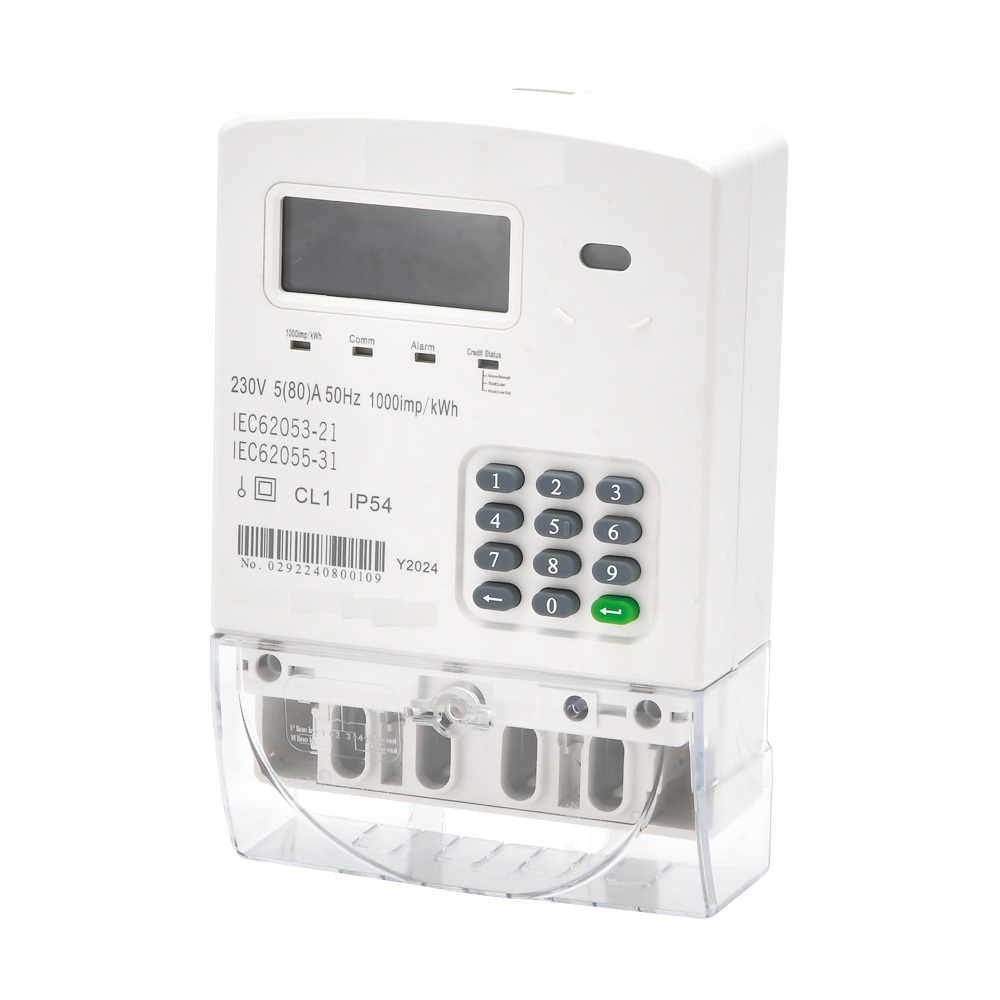
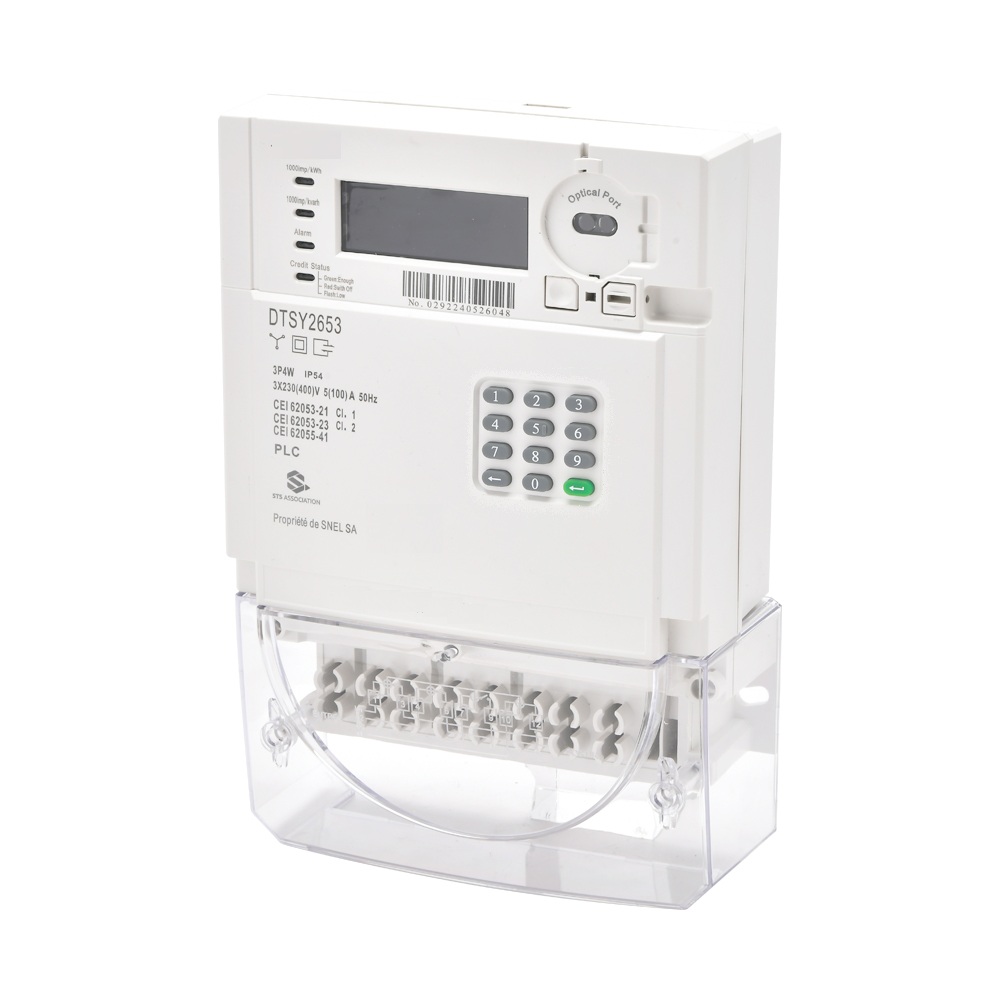
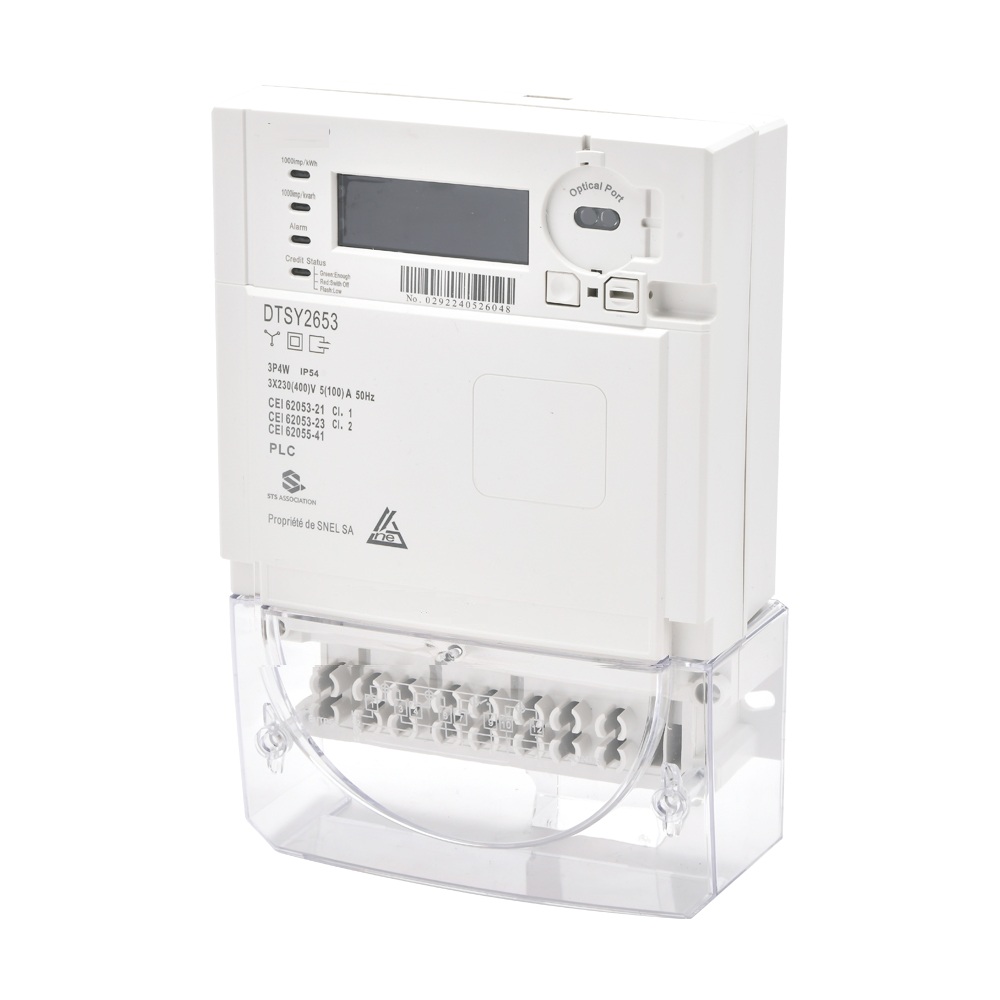
Although the meter is small, it requires high standards. With the advancement of science and technology, the manufacturing and design level of electric energy meters continues to improve, evolving from a single mechanical meter to various types such as electronic energy meters, anti-theft energy meters, prepaid energy meters, multi rate energy meters, multifunctional energy meters, smart meters, etc., to meet the growing market demand for electricity meter functions. With the development and progress of electronic technology and communication technology, people's requirements for data analysis and refined management have increased, and the functions of electricity meters have become increasingly powerful. Various communication methods have also been applied in energy meters. Infrared communication, RS485 communication, PLC communication, RF communication, Zigbee communication, Lora communication, Wi Fi communication, GPRS communication, Wi Fi communication, NB IoT communication, etc. Suitable communication methods can be used according to different application environments to achieve real-time data collection and transmission of energy meters, and statistical analysis can be carried out through the system platform to better serve power users and improve power quality.
Different countries and regions have different requirements for the installation of energy meters based on usage habits, installation environments, and application environments, such as suspended energy meters, rail mounted energy meters, circular meters, panel meters, socket meters, and so on.
Single phase and three-phase energy meters are used for electricity metering and billing for residential, corporate, and commercial users. They have a large quantity and wide range, directly affecting the interests of thousands of households and the stable and safe operation of the power sector.