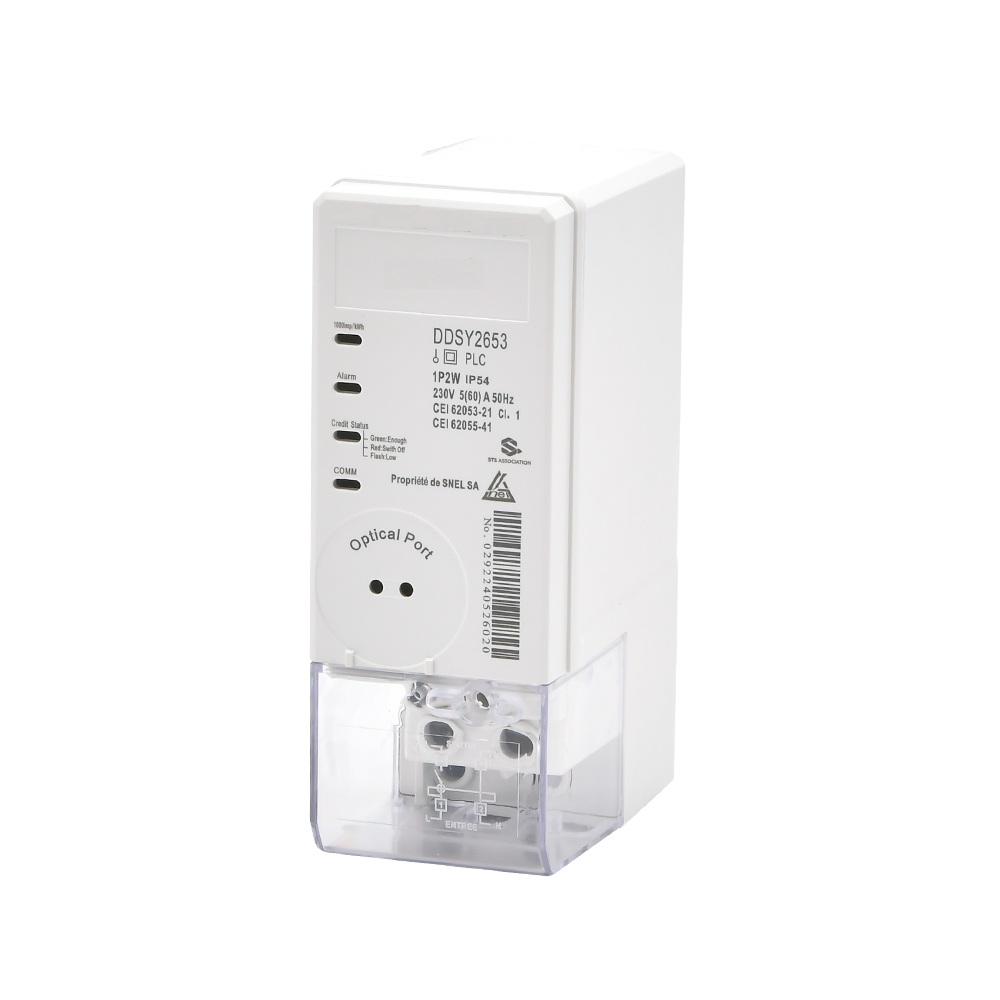
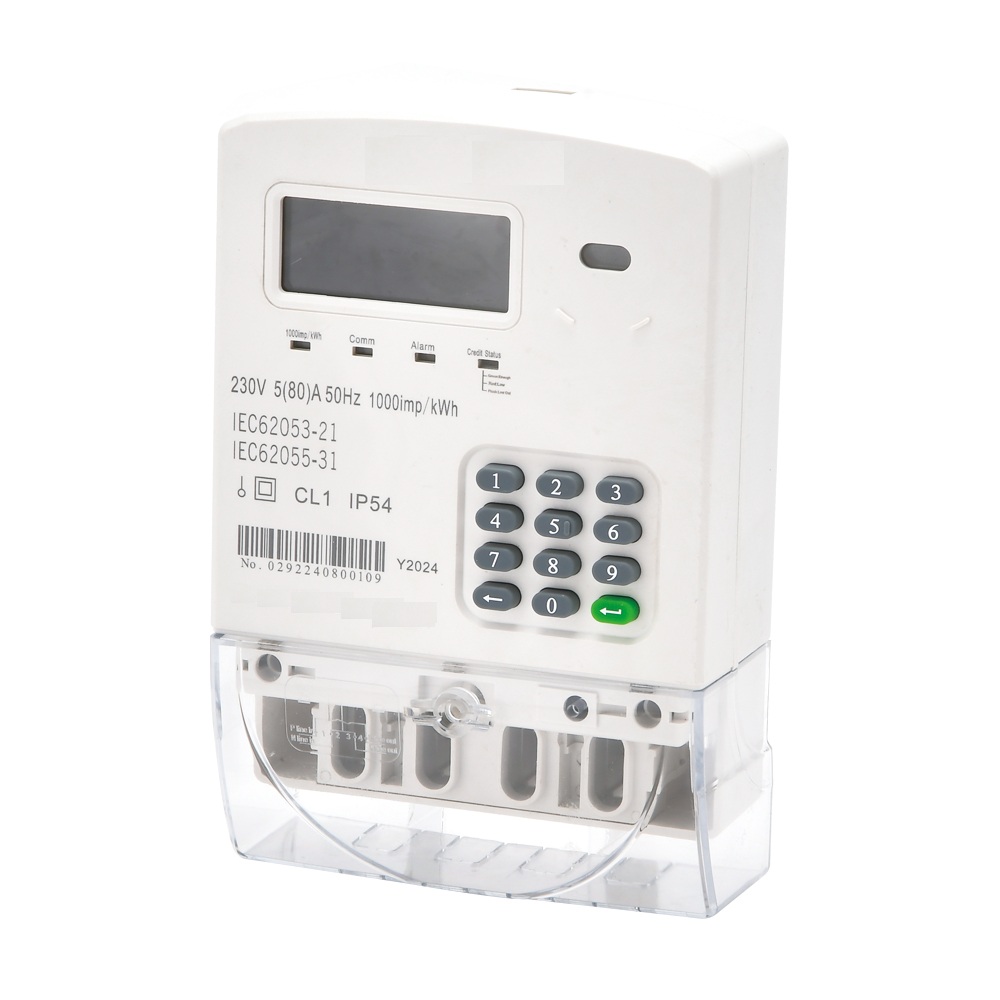
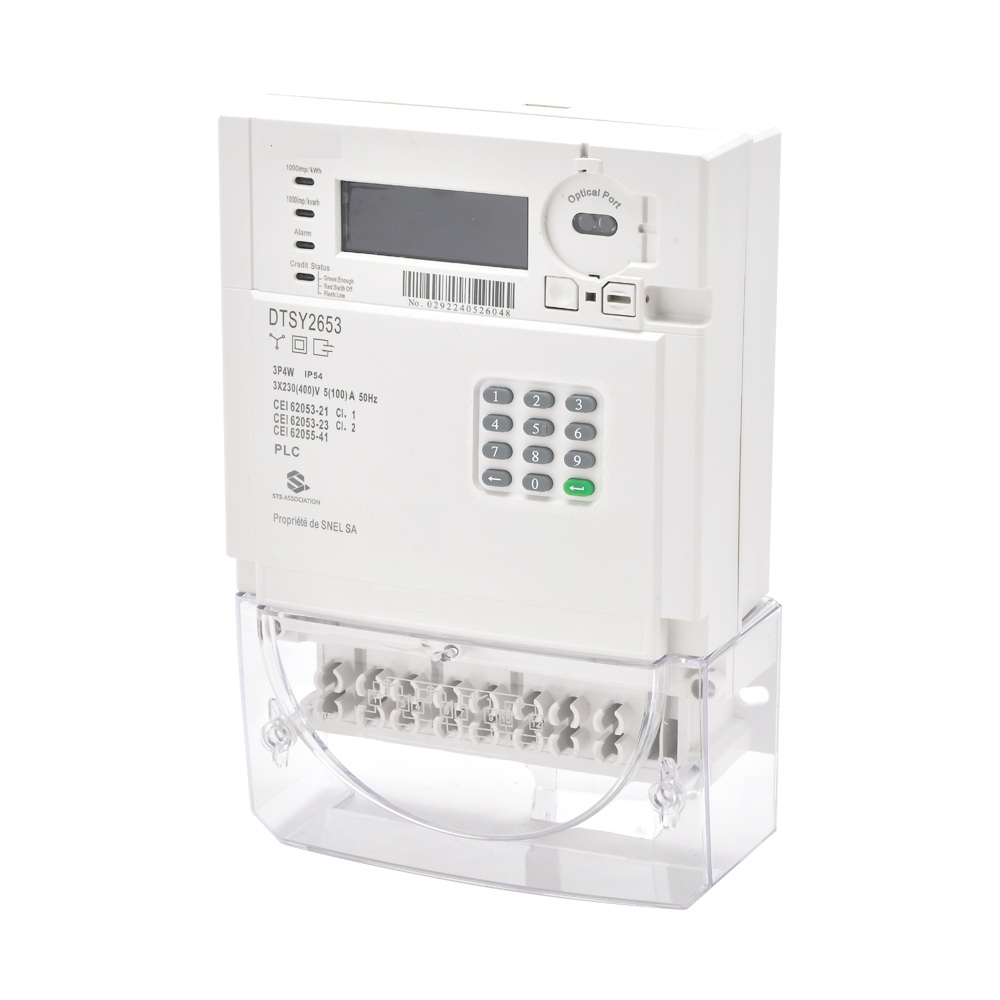
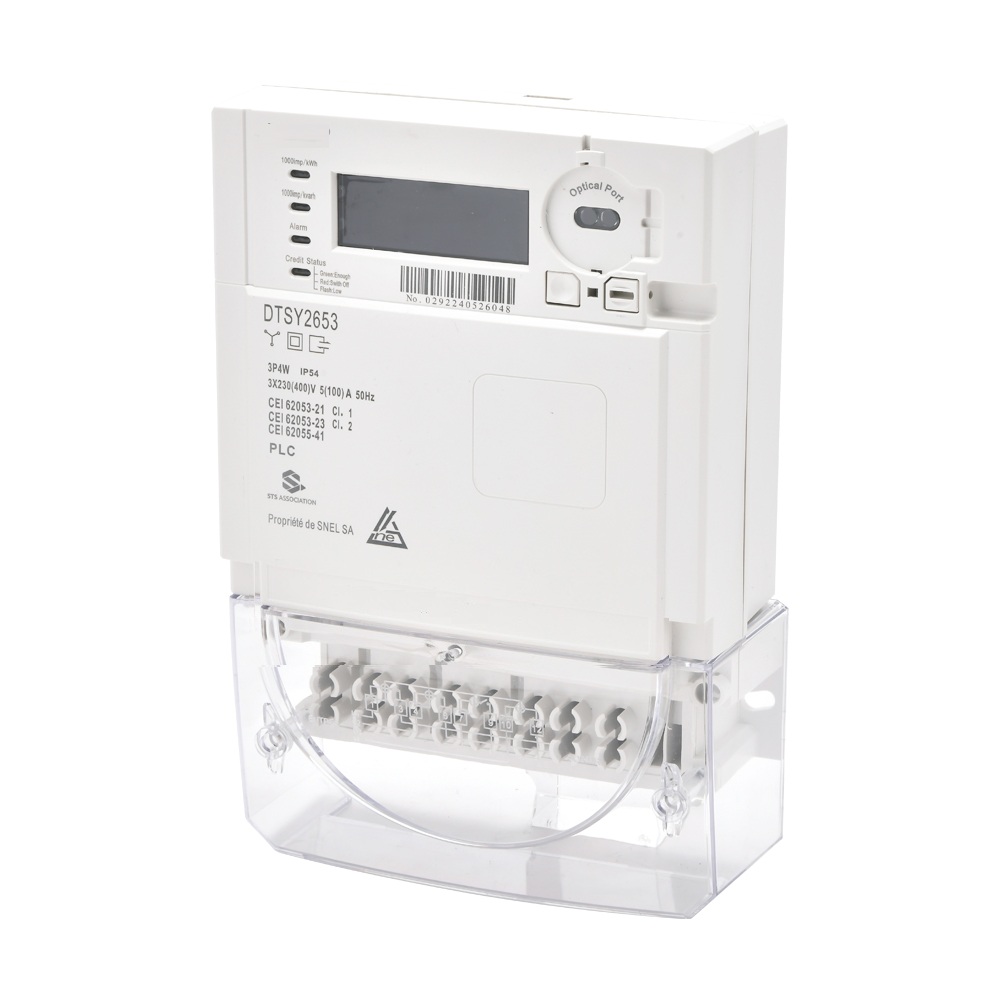
New direction of power management - prepaid meters
Publish Time: Author: Site Editor Visit: 13
1、 Positioning transformation: from "prepaid meter" to user side power management terminal
In the early days, IC card prepaid prepaid meters were only used for local deduction and power outage due to arrears, and were considered as simple charging tools. A new generation of prepaid meters, integrating metering, communication, relay control and edge computing, undertakes multiple power management functions:
1. Closed loop cost control power management: recharge issuance → real-time metering deduction → multi-level balance warning → automatic disconnection of overdue fees; When the network is disconnected, it runs independently locally (STS token offline capability) to ensure availability in remote areas without network, which is also the core requirement of rural distribution projects in Africa.
2. Load Sensing and Power Limitation: Monitor voltage, current, power, power factor, support overload protection, and maximum demand limitation. Non essential loads can be restricted during peak hours according to electricity pricing strategies to achieve demand side response and alleviate peak pressure on the distribution network.
3. Monitoring of electricity theft/abnormal usage: open lid alarm, current imbalance, identification of zero line electricity theft, actively reporting abnormal events, reducing distribution network losses, and improving power supply safety.
4. Bi directional metering adapted to distributed power generation: Four quadrant metering, supporting household photovoltaic and energy storage grid connection, can measure grid connected electricity, adapt to bidirectional power flow of microgrids, expand power management boundaries, no longer just one-way prepaid metering.
2、 Core technology evolution direction (power management dimension)
1. Communication architecture: Multi mode communication, balancing online and offline communication
Mainstream solutions: NB IoT/Cat.1/HPLC power line carrier/G3-PLC/LoRa/4G, paired with STS token offline fallback.
Online: remote recharge, remote connection and disconnection, real-time upload of load curve, cloud based power data analysis;
Offline: 20 bit encrypted token for local decryption and recharge, able to complete fee control even without network environment, suitable for low infrastructure scenarios in Africa and remote rural areas.
The STS standard is the core specification for overseas prepaid prepaid meters, with cross vendor interoperability and AES encryption, which is a key selection focus for Eskom projects.
2. Internal power management of the prepaid meter (hardware level)
Low power supply solution: wide voltage input, anti surge, lightning strike; Low standby power consumption and extended device lifespan; After the main power fails, the backup battery maintains metering, event recording, and LCD display.
Magnetic holding relay: It does not change the on/off state when powered off, greatly reducing the continuous driving power consumption, and is a key component of prepaid power control.
Safe power isolation: The metering circuit, communication circuit, and main control power supply are isolated in different zones to prevent electricity theft and damage to the motherboard caused by high voltage impact.
3. Measurement and refinement of electricity prices
Support time of use electricity pricing, tiered electricity pricing, dynamic floating electricity pricing, and real-time automatic deduction of fees; It can store load profiles, upload historical electricity consumption curves, enable power suppliers to make load forecasts, optimize distribution network capacity planning, and belongs to demand side power management.
4. Security system
STS encrypted token, one table one key; Remote message encryption; Hardware anti pry, event log anti tampering, preventing tampering with balance and bypassing relays to steal electricity.
3、 Value to power suppliers (from the perspective of power management)
1. Advance cash flow, eliminate bad debts related to electricity bills, significantly reduce labor costs for manual meter reading and on-site collection, and achieve significant results in areas with high incidence of arrears;
2. User side load visualization: Batch collection of electricity consumption data from thousands of households, grasp the true load distribution of the distribution network, and guide transformer expansion and line renovation;
3. Automated fault perception: Real time reporting of voltage drop, voltage loss, and overload events to assist in the localization of distribution network faults;
4. Demand side regulation capability: remote load limiting, guiding off peak electricity consumption, alleviating peak power supply pressure on the power grid, and reducing the input of backup power sources.
4、 User side value
Autonomous and controllable electricity budget, balance warning, avoiding large bills; Real time monitoring of power and electricity consumption to guide energy conservation; Support multi-channel recharge through APP/QR code/token.
5、 Current challenges and future trends
pain point
Severe environments (high temperature, humidity, sandstorms, outdoor distribution box scenes in Africa) require extremely high reliability for power supplies and relays;
In areas with unstable networks, remote recharge synchronization is delayed;
User acceptance issue: Power outage warning and temporary credit limit mechanism require supporting strategies;
Multi vendor device interoperability and protocol compliance (STS/IDIS/DLMS) have high barriers to entry.
Future Directions
1. Prepaid+microgrid/energy storage linkage: The prepaid meter serves as a microgrid controller to manage photovoltaic energy storage and user loads in an off grid state;
2. Edge AI embedding: Local recognition of abnormal loads, fault prediction, and reduction of cloud dependence;
3. Flexible cost control: no longer limited to "full power outage", supporting tiered power limiting (limiting high-power loads when the balance is low, and partial network power outage), improving user experience;
4. Integrate IDIS standards, improve full lifecycle data and equipment operation and maintenance, and provide standardized solutions for large-scale rural lighting and distribution projects in Africa;
5. Improved hardware integration, SoC integrated measurement+main control, simplified power circuit, reduced overall meter cost, conducive to large-scale deployment.
6、 Applicable scenarios
Rural electrification in emerging markets (Eskom project in Africa);
Renting electricity for apartments, factories, shops, and temporary construction sites;
Microgrids and off grid photovoltaic power supply systems;
Property management and internal power distribution management within the park.