Calculation formula for starting time of prepaid meter
Publish Time: Author: Site Editor Visit: 508
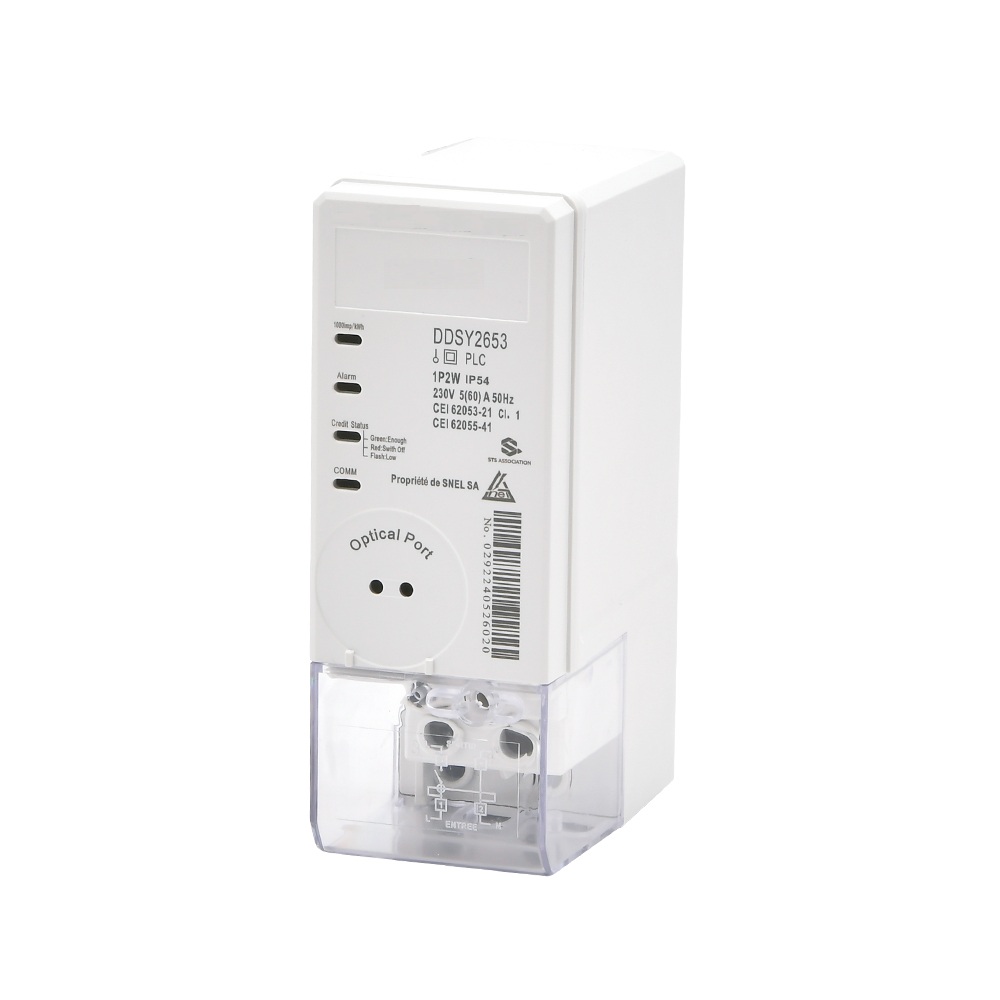
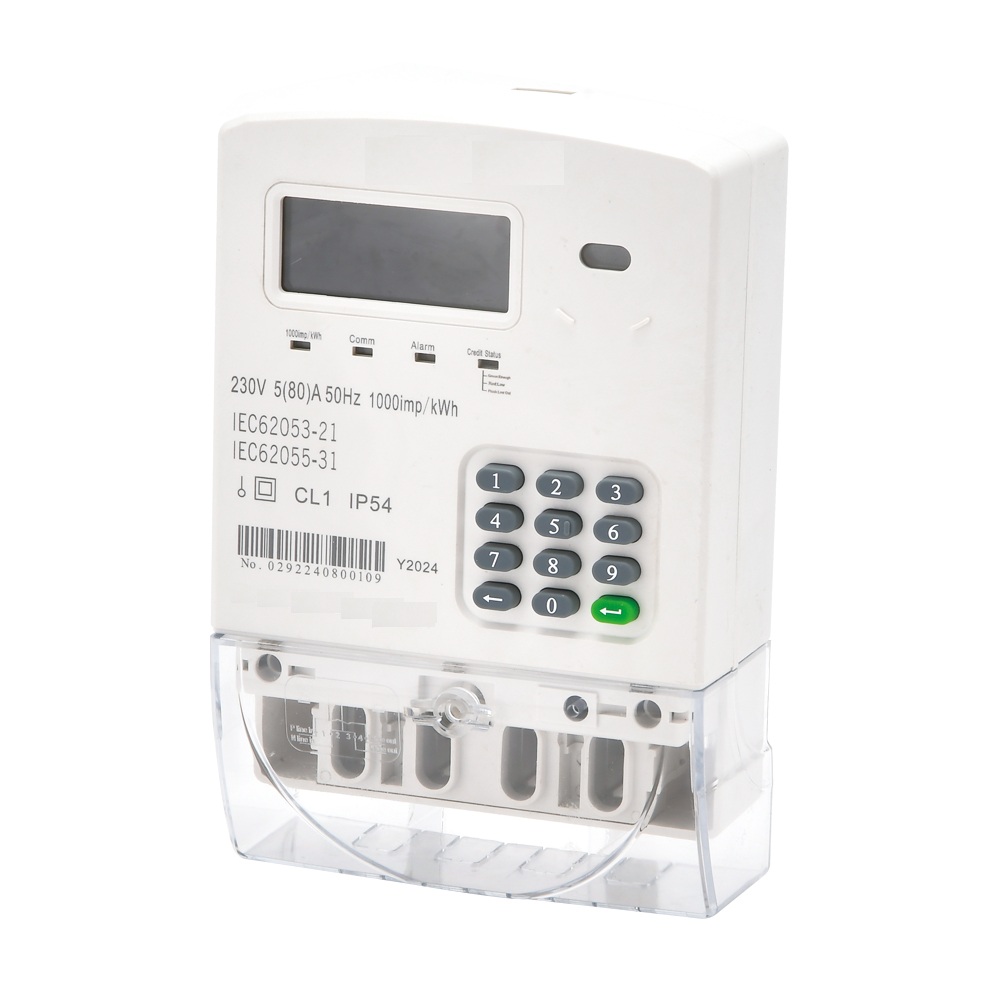
For example, you will understand: there is an electric meter with a constant C=1000 imp/kWh (which means it will flash 1000 times per kilowatt hour). Voltage 220V, basic current 5A (which is 5 in the 5 (60) A marked on your home meter), level 1 prepaid meter.
According to IEC standards, the starting current of a Class 1 meter is 0.4% Ib, which means that 0.4% x 5A=0.02A (20mA)
Step 1: Calculate the starting power according to Ohm's law power calculation formula. Power=voltage x current 220V x 0.02A=4.4W, converted to kilowatts: 4.4W=0.0044kW
Step 2: Use the formula to calculate the time C × P=1000 × 0.0044=4.4t=3600 ÷ 4.4 ≈ 818 seconds Step 3: Change to easy to understand units, 818 seconds ÷ 60 ≈ 13 minutes and 38 seconds
That is to say, if a current as small as 20mA is applied to this meter, it needs to be able to run a single word within 13 minutes and 38 seconds (flashing the meter to record a pulse) to be considered qualified for startup.
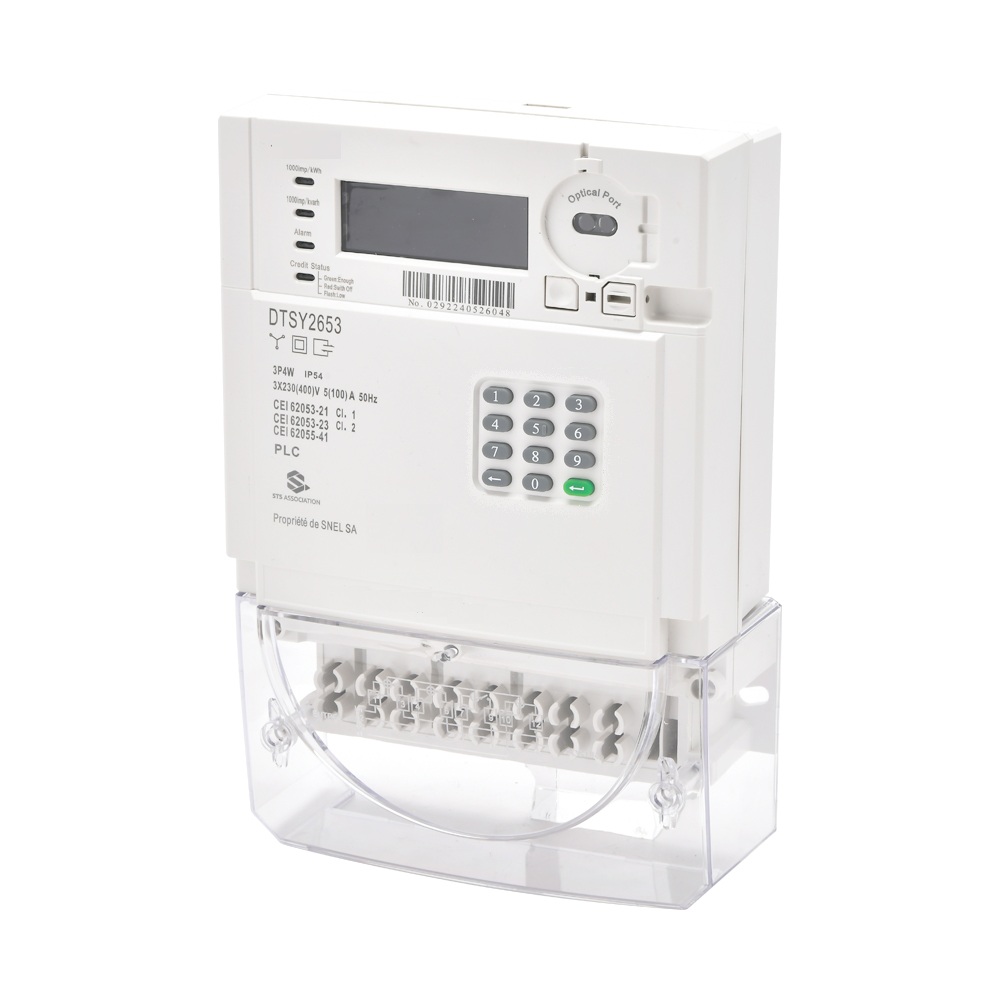
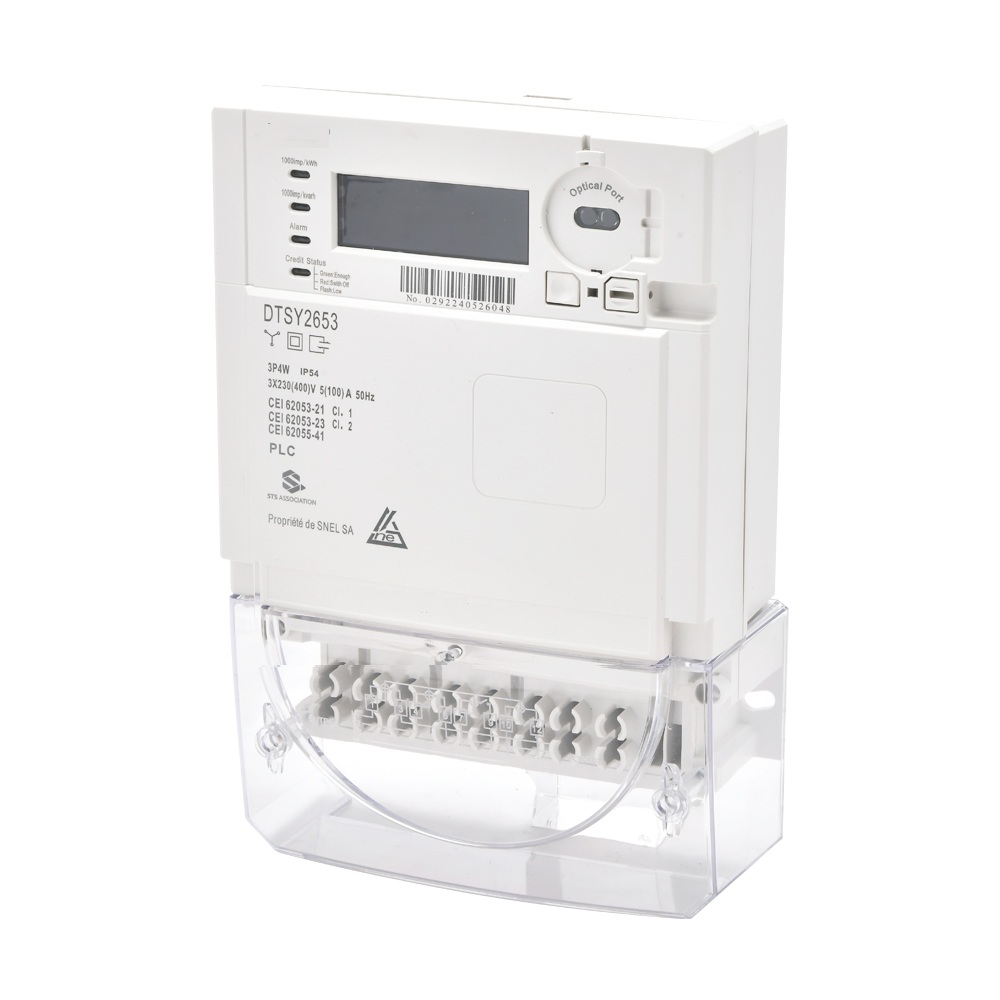
The above refers to a single-phase meter. What about the three-phase meter? A three-phase meter has three live wires, and each phase has current, so the total power needs to be calculated by adding up the three phases: P=3 × 220V × 0.02A=13.2W=0.0132kW. Another formula is: t=3600 ÷ (1000 × 0.0132) ≈ 272.7 seconds, which means that if the three-phase energy meter can record one pulse within 4 minutes and 33 seconds, the startup test is judged to be qualified. Did you see that? With the same starting current of 0.02A, a three-phase meter can read in just over 4 minutes, which is much faster than a single-phase meter's 13 minutes - because the total power of the three phases combined is large and powerful.