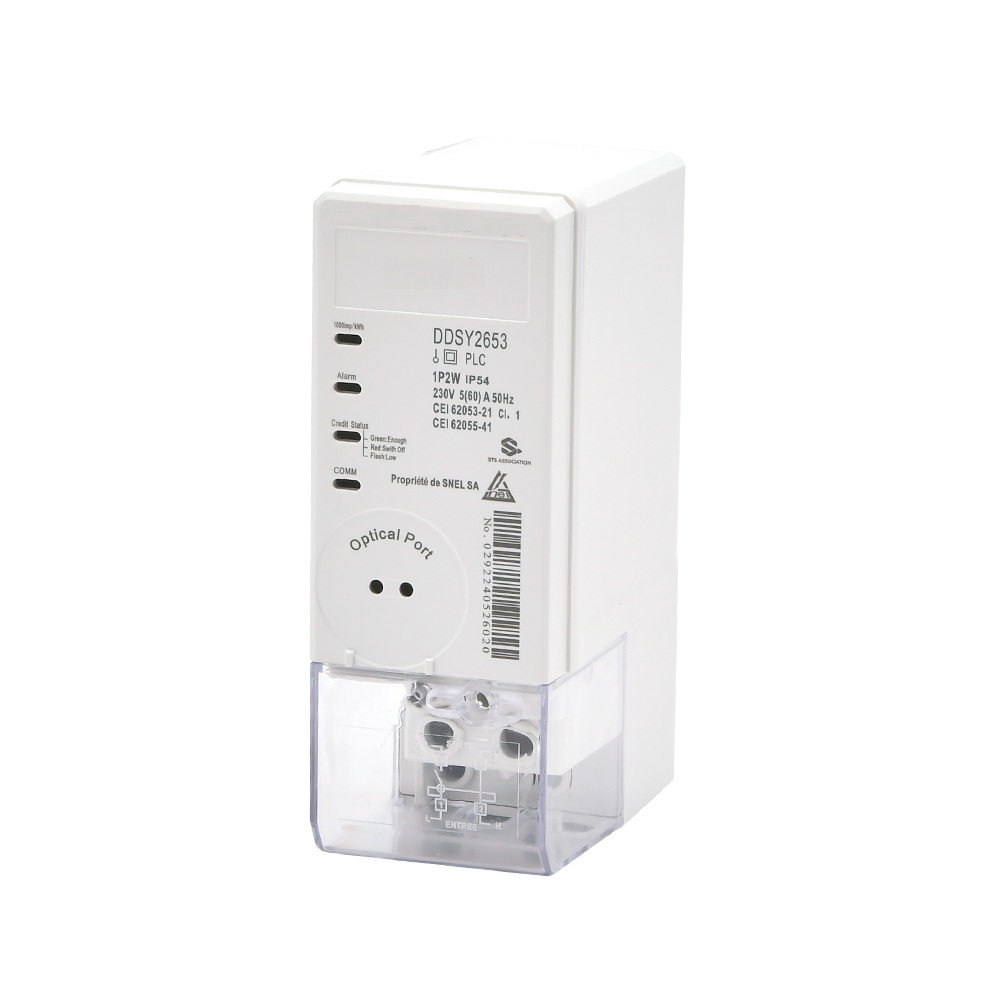
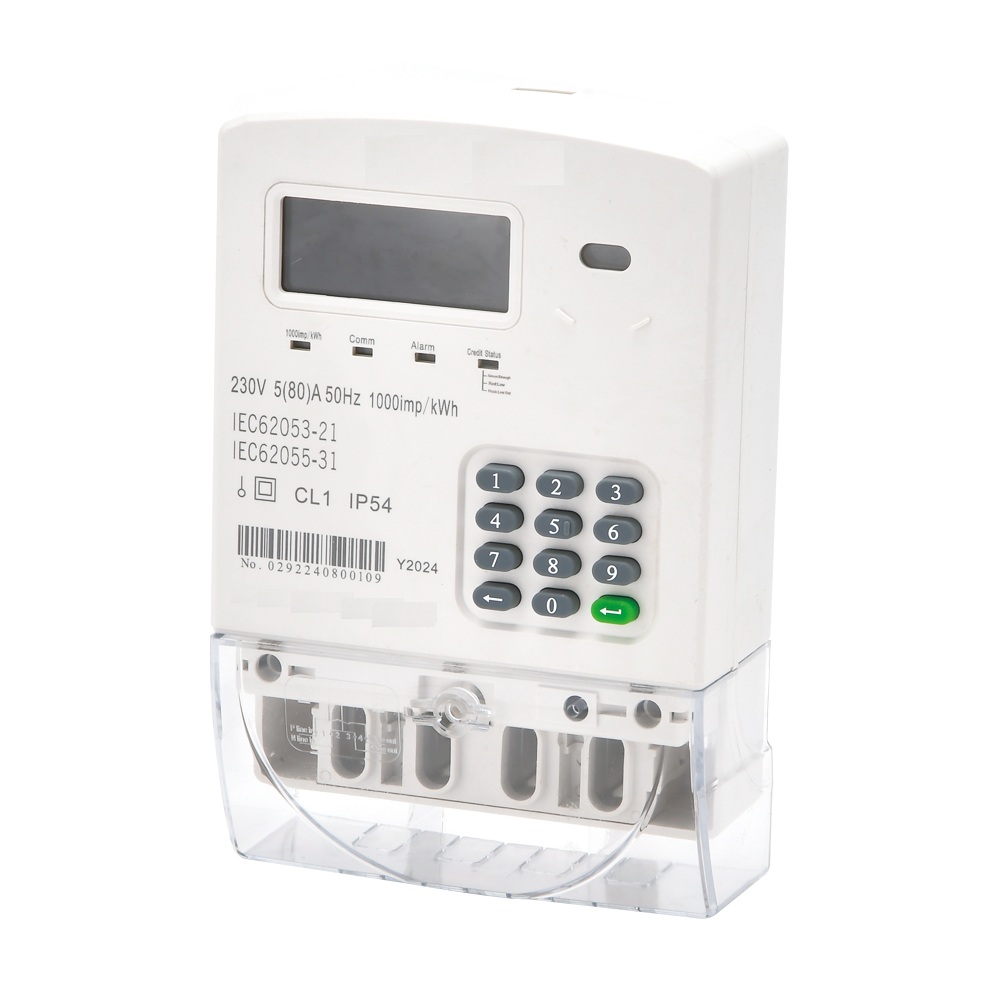
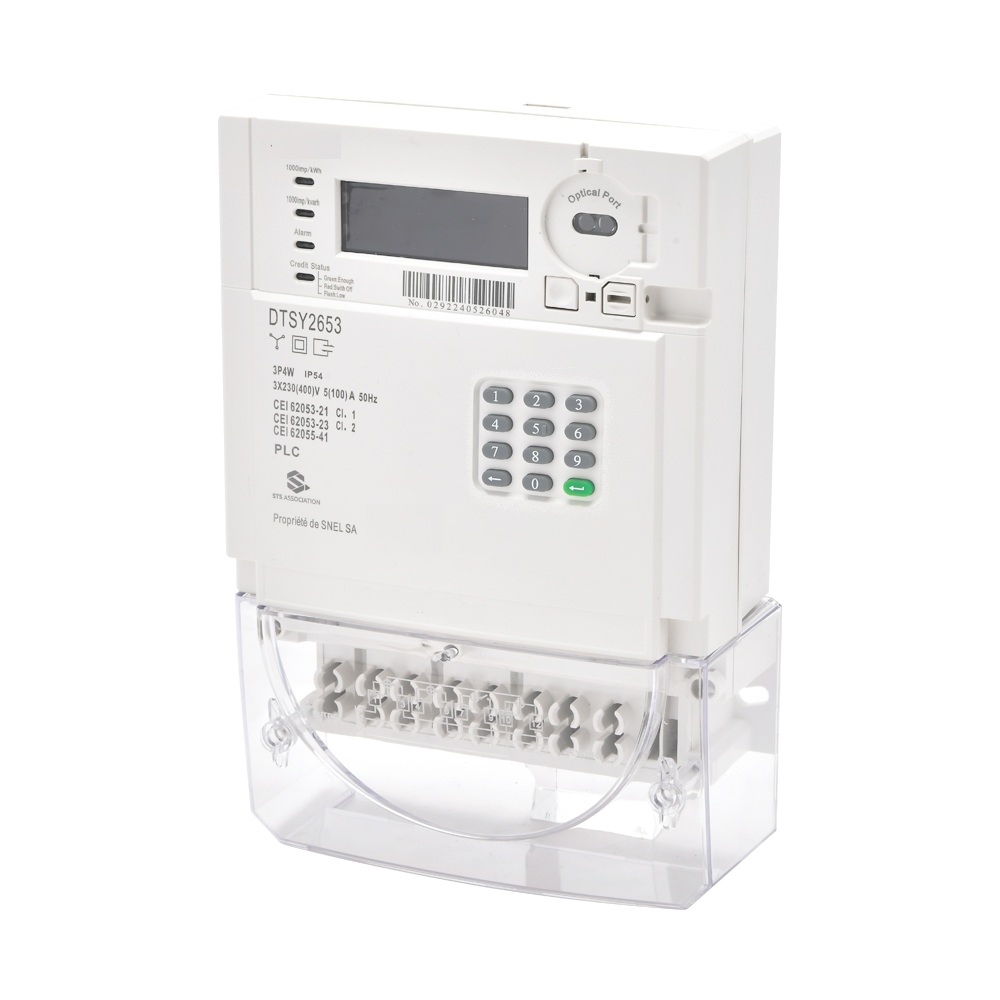
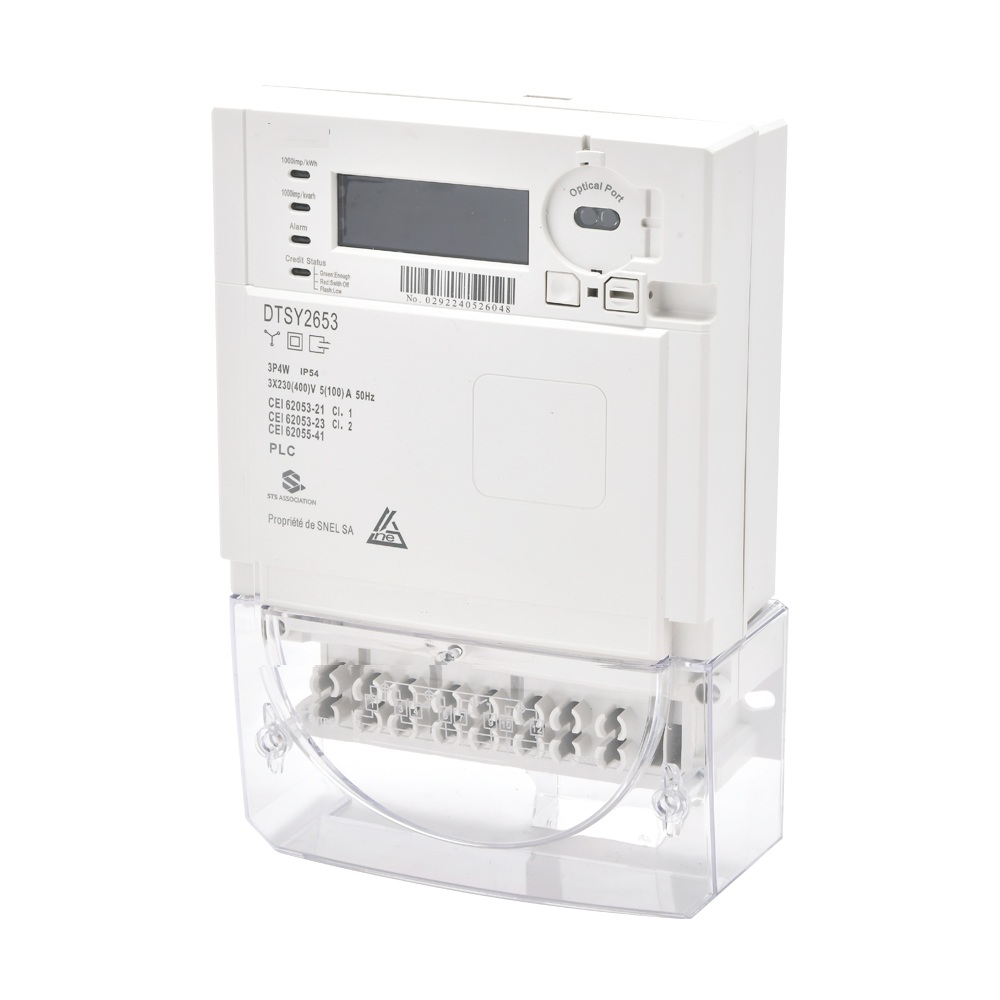
How to choose a smart meter?
Publish Time: Author: Site Editor Visit: 449
1、 Clearly define the usage scenario and match the type of electricity meter
The first step in choosing a smart meter is to clarify your usage scenario - is it for daily household electricity or for enterprise production electricity? The requirements for electricity meters vary greatly in different scenarios, and blind selection can easily lead to excessive or insufficient functionality.
For household users, their electricity needs are relatively simple, and they only need to focus on basic metering accuracy, remote meter reading, and electricity monitoring functions, without pursuing overly complex industrial level functions. Enterprise users, especially production-oriented enterprises, have higher electricity loads and more equipment. They need to choose industrial grade smart meters that can support multi loop monitoring, load management, and abnormal warning. Some high energy consuming enterprises may also need meters with harmonic monitoring, power factor analysis, and other functions to adapt to complex production electricity scenarios. In addition, there are some special scenarios, such as smart meters for photovoltaic power plants that need to be compatible with DC metering functions, which requires targeted selection of models with AC/DC dual-use or dedicated DC metering capabilities. Clear scene requirements are necessary to make subsequent choices more targeted.
2、 Focus on core functions to meet practical needs
The functions of smart meters are rich and diverse, but not the more the better. The key is to choose functions that can meet one's core needs and avoid paying for functions that are not needed.
The basic and essential function is first and foremost precise measurement, which is the core value of electric meters. It is necessary to ensure that electric meters comply with national measurement standards and have errors within the prescribed range. Next is remote meter reading and data query, which allows users to view real-time electricity consumption and historical electricity consumption data at any time through a mobile app or computer, without the need for manual meter reading, making it convenient to grasp electricity usage. For users who value energy conservation, the function of electricity monitoring and analysis is very important. It can automatically calculate the electricity consumption of different periods and devices, generate electricity consumption reports, and help users identify peak electricity consumption and energy-saving potential points.
In addition, other functions can also be focused on according to the needs: for example, household users may need electricity bill warning function, which automatically reminds payment when the balance is insufficient to avoid power outages; Enterprise users may require load control functionality to prevent circuit failures caused by excessive electrical load; Some users will also pay attention to safety protection functions, such as overvoltage, overcurrent, and leakage warning, to ensure electrical safety. When selecting, one should consider their own needs and prioritize products that include these core functions.
3、 Verify technical parameters to ensure stable operation
Technical parameters are the "hard indicators" of the performance of smart meters, which directly affect the stability and service life of the meter. When selecting, it is necessary to focus on checking several key parameters.
Firstly, it is the range of measurement, which refers to the high current and voltage that the electric meter can measure. Household users usually choose a 220V voltage, high current 60A or 100A meter to meet their daily electricity needs; Enterprise users need to calculate the required current based on the total power of the equipment, select the matching range, and avoid overloading and damage to the meter due to a too small range, or affecting the measurement accuracy due to a too large range. Next is the communication method. The commonly used communication methods for smart meters include Bluetooth, Wi Fi, 4G/5G, LoRa, etc. Home users can choose Bluetooth or Wi Fi for convenient connection to the home network; For enterprises or outdoor scenarios, it is suitable to choose 4G/5G or LoRa communication with wider signal coverage and stronger stability to ensure smooth data transmission.
In addition, the protection level cannot be ignored, represented by IPXX (such as IP54, IP65), the larger the number, the stronger the protection capability. An electric meter installed in a dry indoor environment with an IP54 rating is sufficient; If installed outdoors or in humid environments (such as basements or garages), an IP65 or higher protection level meter should be selected to prevent dust and rainwater from entering and affecting equipment operation.