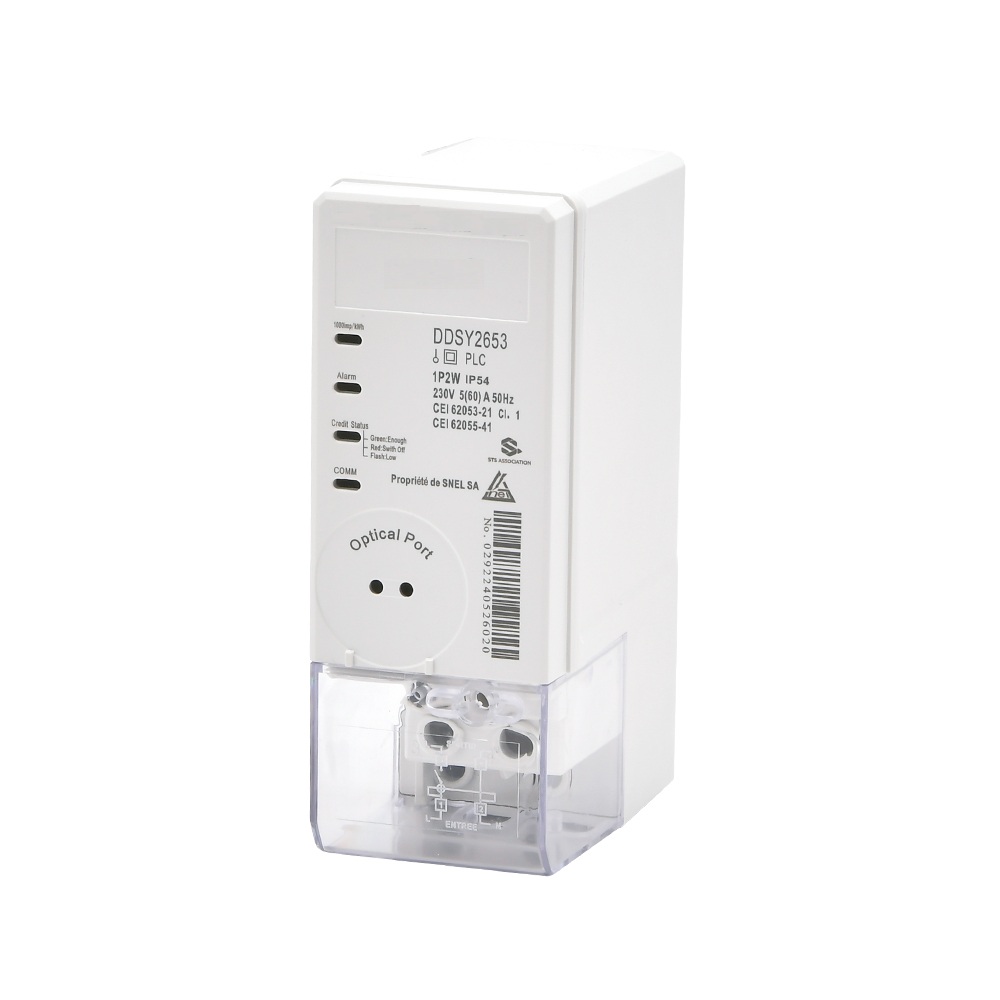
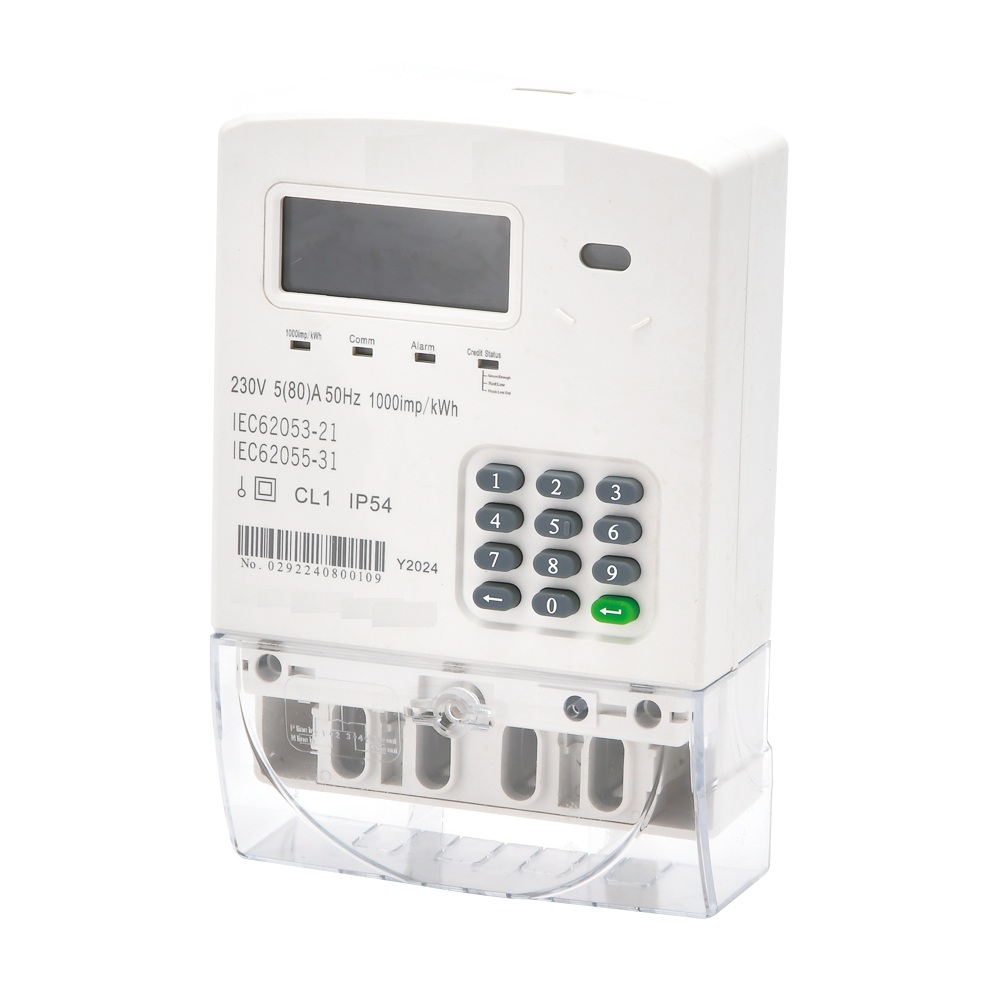
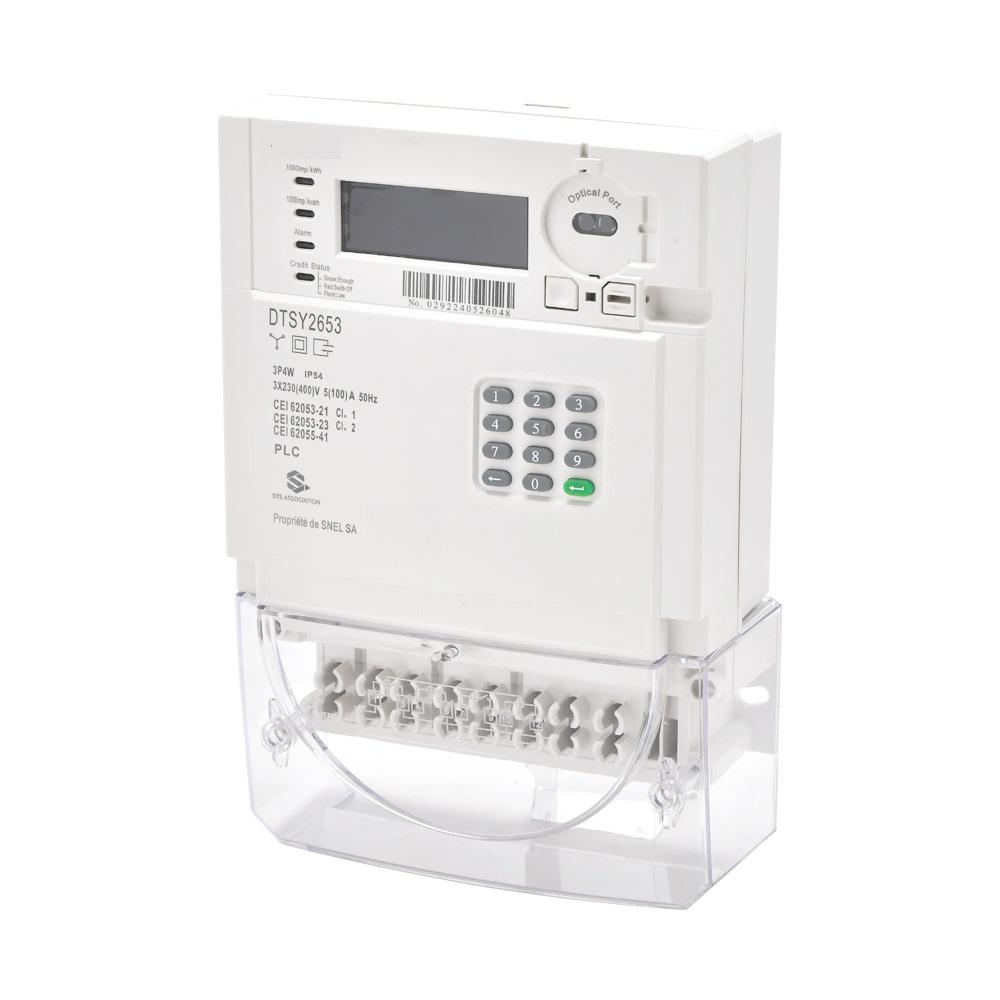
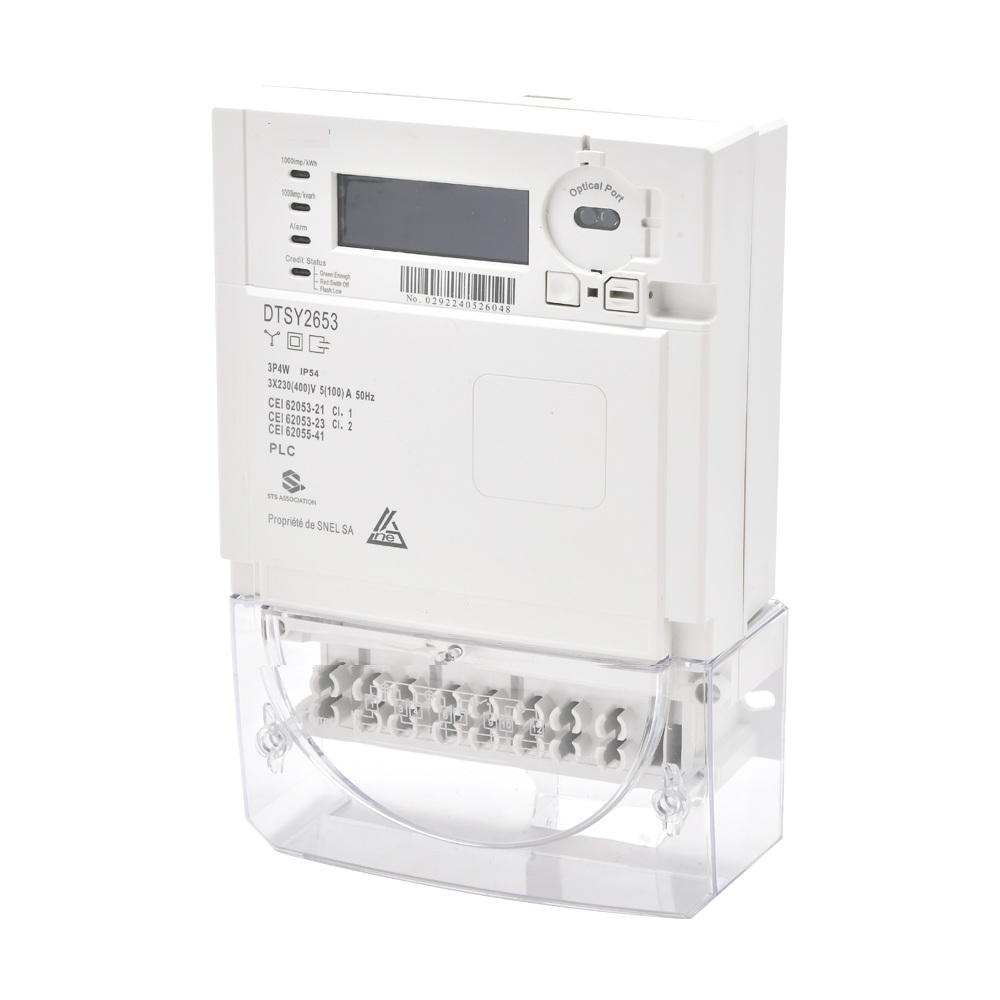
From device to platform: How does AMI smart meter build the "nerve center" of the power Internet of Things?
Publish Time: Author: Site Editor Visit: 433
1、 Data perception: How can AMI smart meters become the "nerve endings" of the power grid?
Traditional electricity smart meters can only record electricity consumption, while AMI smart meters achieve millisecond level acquisition of parasmart meters such as voltage, current, and power factor through built-in high-precision sensors and communication modules. The thousands of data streams per second are like neural signals, transmitting real-time user side electrical behavior, equipment status, and even environmental information (such as temperature and harmonics) to the power grid management platform.
Application Scenario:
Industrial park: Real time monitoring of energy consumption curves of CNC machine tools, air compressors and other equipment, identifying energy-saving potential points of over 15%;
Residential community: Guiding users to adjust their electricity usage habits through time of use electricity pricing, a pilot project showed a 15% decrease in peak load for users;
New energy power station: In a certain photovoltaic power station, AMI smart meters combined with irradiance sensors control the prediction error of power generation within 3%.
2、 Intelligent decision-making: How can AMI smart meters empower the "brain" of the power grid?
The value of AMI smart meters lies not only in data acquisition, but also in their edge computing capabilities. Through the built-in MCU chip and AI algorithm, the electric smart meter can complete data cleaning, anomaly detection, and preliminary decision-making locally, while only uploading key information to the cloud, significantly reducing communication pressure and processing delay.
1. Demand side response: from "passive acceptance" to "active interaction"
AMI smart meters support a dynamic electricity pricing mechanism, which pushes real-time electricity prices and usage recommendations to users through a mobile app or Home Energy Management System (HEMS). Furthermore, AMI smart meters can be linked with smart home devices to automatically activate charging stations or thermal storage systems during periods of low electricity prices, achieving "invisible energy savings".
2. Self healing of power grid: from "manual inspection" to "second level positioning"
When a fault occurs in the line, the AMI smart meter can locate the fault point (such as a transformer overload) within 100 milliseconds through current mutation detection and topology analysis, and automatically isolate the fault area.
3. Resource optimization: from "experience scheduling" to "data-driven"
Based on historical electricity consumption data and meteorological forecasts, AMI smart meters can construct load forecasting models.
3、 Ecological construction: How can AMI smart meters connect to the future of energy?
With the maturity of 5G, blockchain and vehicle network interaction (V2G) technologies, AMI smart meters are evolving from the equipment layer to the platform layer, becoming the entry level facilities of the energy Internet.
1. Virtual Power Plant (VPP): Aggregating Distributed Resources
AMI smart meters can integrate home photovoltaics, energy storage batteries, and electric vehicles to form a virtual power plant for grid dispatch.
2. Carbon footprint tracking: empowering green certification
By recording the proportion of green electricity used by users, AMI smart meters can generate personal carbon accounts and connect with the EU's "Green Certification" program.
3. Standardization and globalization: breaking down data silos
The promotion of the IR46 international standard has enabled AMI smart meters to achieve global compatibility.
Conclusion: AMI smart meter - the "smart gene" of the power Internet of Things
From single smart metering to ecological connectivity, AMI smart meters are reshaping the energy system as the "nerve center". It is not only the "perception nerve" of the power grid, but also the "decision-making brain" of energy management - through real-time data, intelligent analysis, and ecological aggregation, it promotes the evolution of the power industry towards zero carbon, efficiency, and user centricity. In the future, with the deep integration of AIoT technology, AMI smart meters will be further integrated into smart cities, industrial Internet and other scenarios, becoming the core infrastructure of global energy transformation.