Two types of electric energy meters with different measurement principles
Publish Time: Author: Site Editor Visit: 57
Mechanical electric meter
The working principle is that the electric meter is connected to the circuit, and there is alternating current in the current coil and voltage coil, thus generating magnetic flux. When the magnetic flux passes through the aluminum disk, eddy currents are induced, and the interaction between the magnetic flux and eddy currents generates a rotational torque that causes the aluminum disk to rotate. The aluminum disc is subjected to the braking torque of the permanent magnet, causing it to rotate uniformly. When the power is greater, the torque is also greater, and the aluminum disk rotates faster, which is transmitted to the meter. At this time, the reading of the meter is the actual electrical energy used.
The disadvantages of mechanical electric meters are also obvious, such as poor stability, low accuracy, continuous decrease in sensitivity, and almost no anti-theft effect.
2、 Electronic electric meter
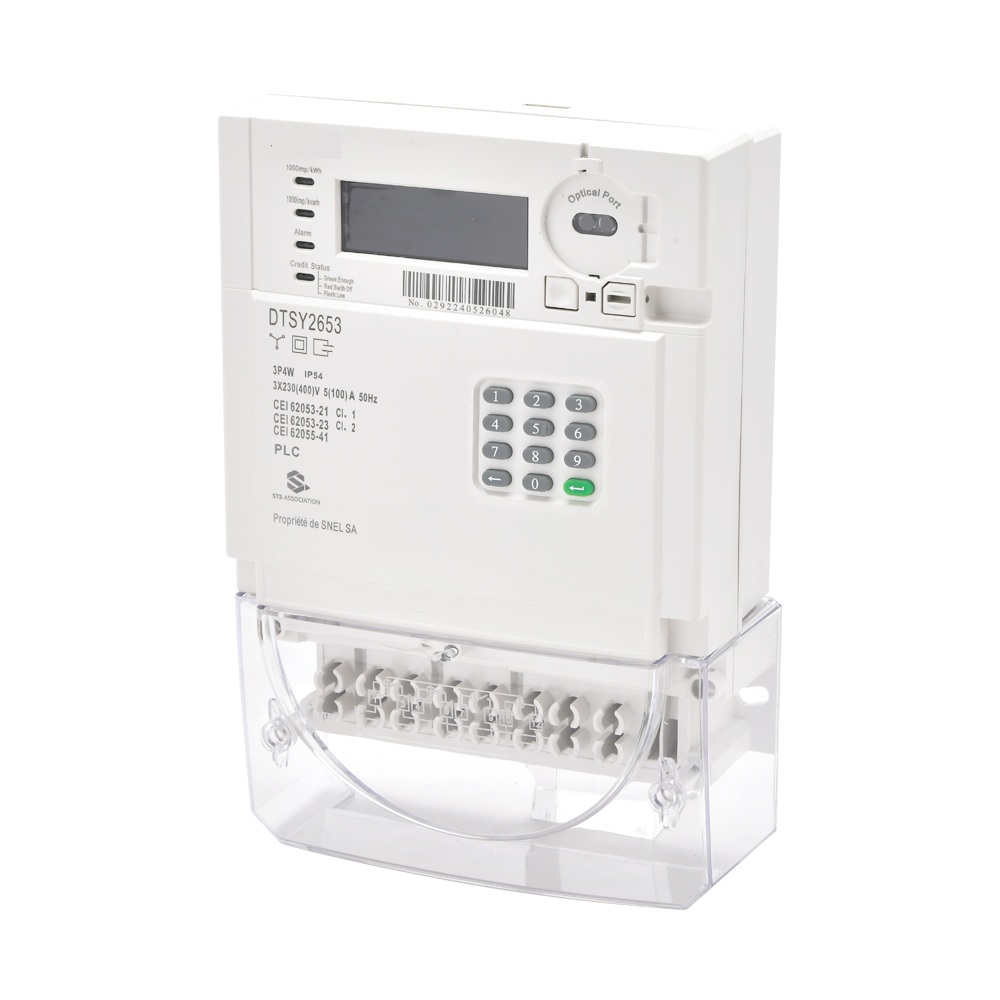
The working principle of a fully electronic electricity meter is to sample and calculate the power supply voltage and current in real time. It is equivalent to continuously recording voltage and current readings and phase relationships for 24 hours using a voltmeter or ammeter. Based on this series of data, it can be converted into power consumption in real time, and the measurement speed is also thousands or even more times per second! These tasks are all completed by internal microprocessors, commonly known as microcomputers. Due to the absence of mechanical transmission mechanisms and the ability to achieve very low power consumption in electronic and microcomputer circuits, even in microamperes, it is very energy-efficient, which is one of its advantages.
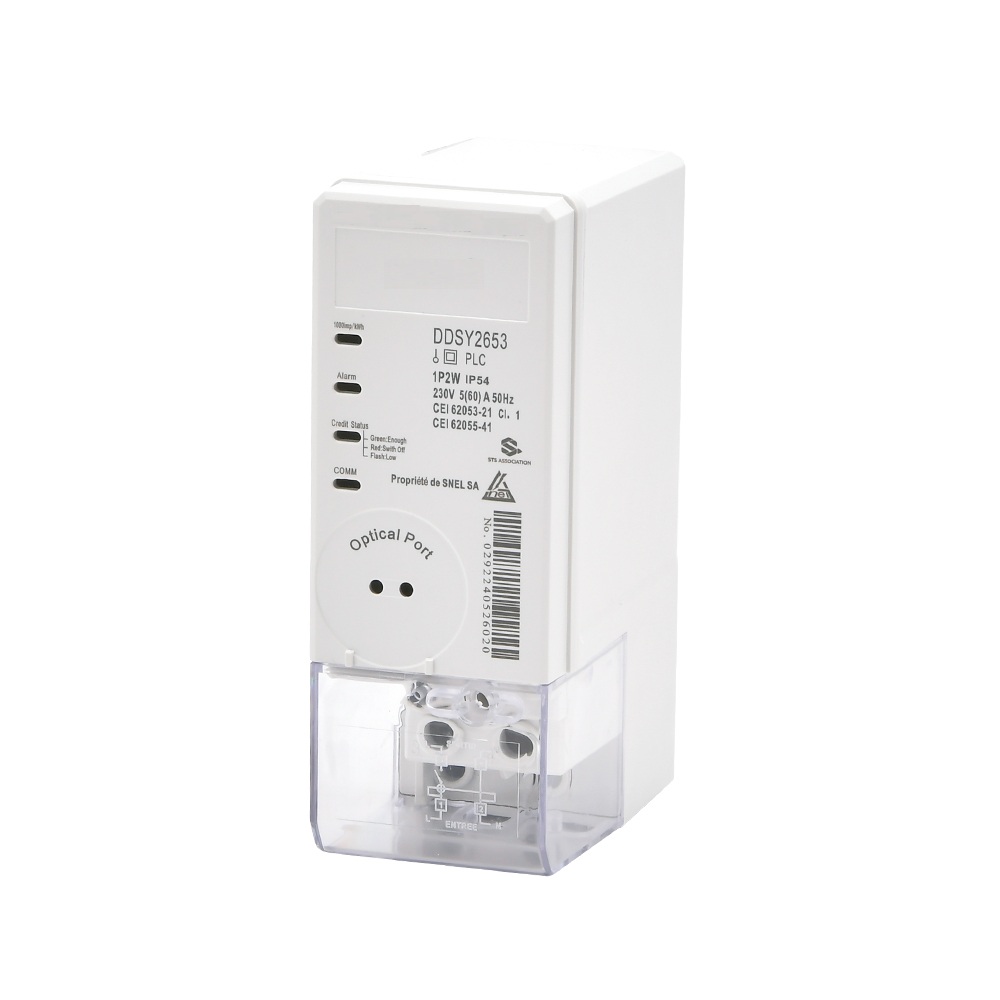
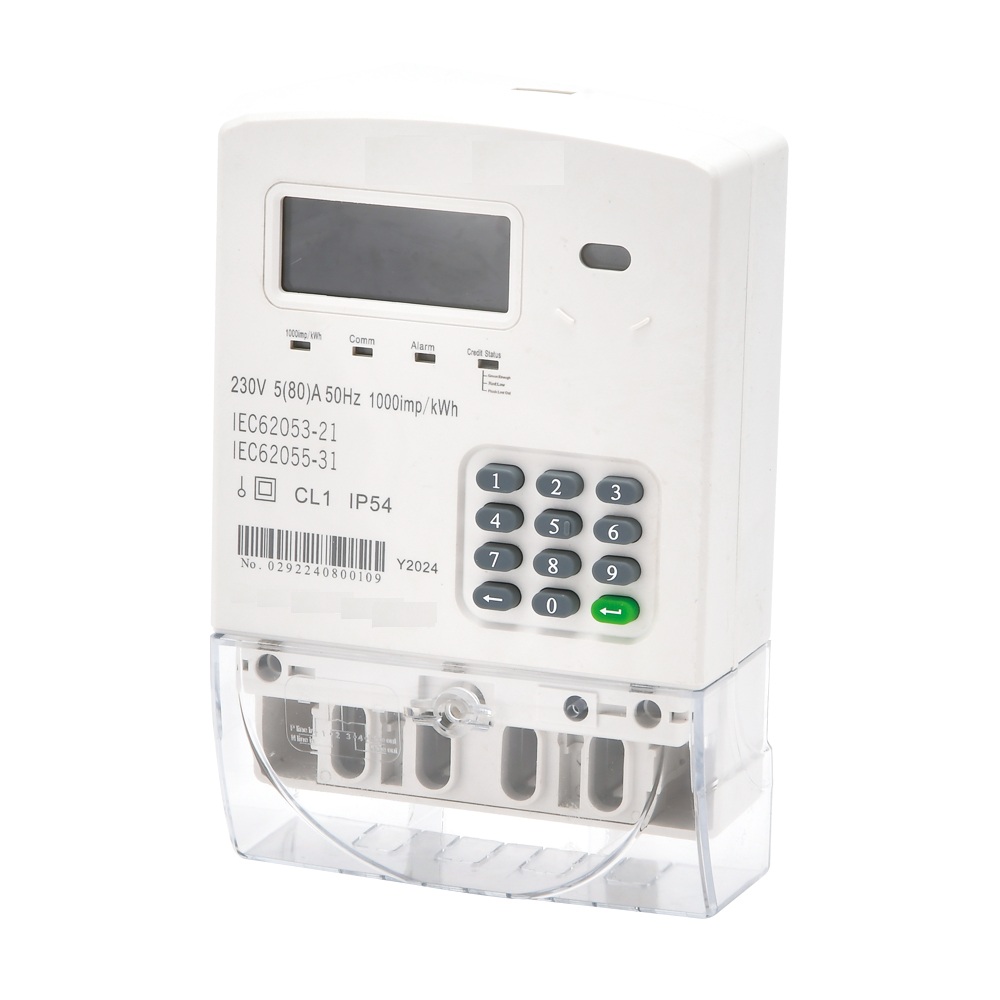
The following is an intelligent STS single-phase meter with RS485/RF/LoRa/PLC communication options. Ability to measure in STS mode, currency mode, and postpaid (traditional) mode. The instrument is connected to the Home Display Screen (IHD) for users to read and operate. The data will be sent to the main station for management through DCU. Users and administrators can charge through the instrument keyboard, IHD keyboard, and main station software.
Preventing electricity theft
Multiple rates
Communication method
Event record
Accurate measurement
Multiple modes