Lack of knowledge about prepaid electricity meters among the general public
Publish Time: Author: Site Editor Visit: 22
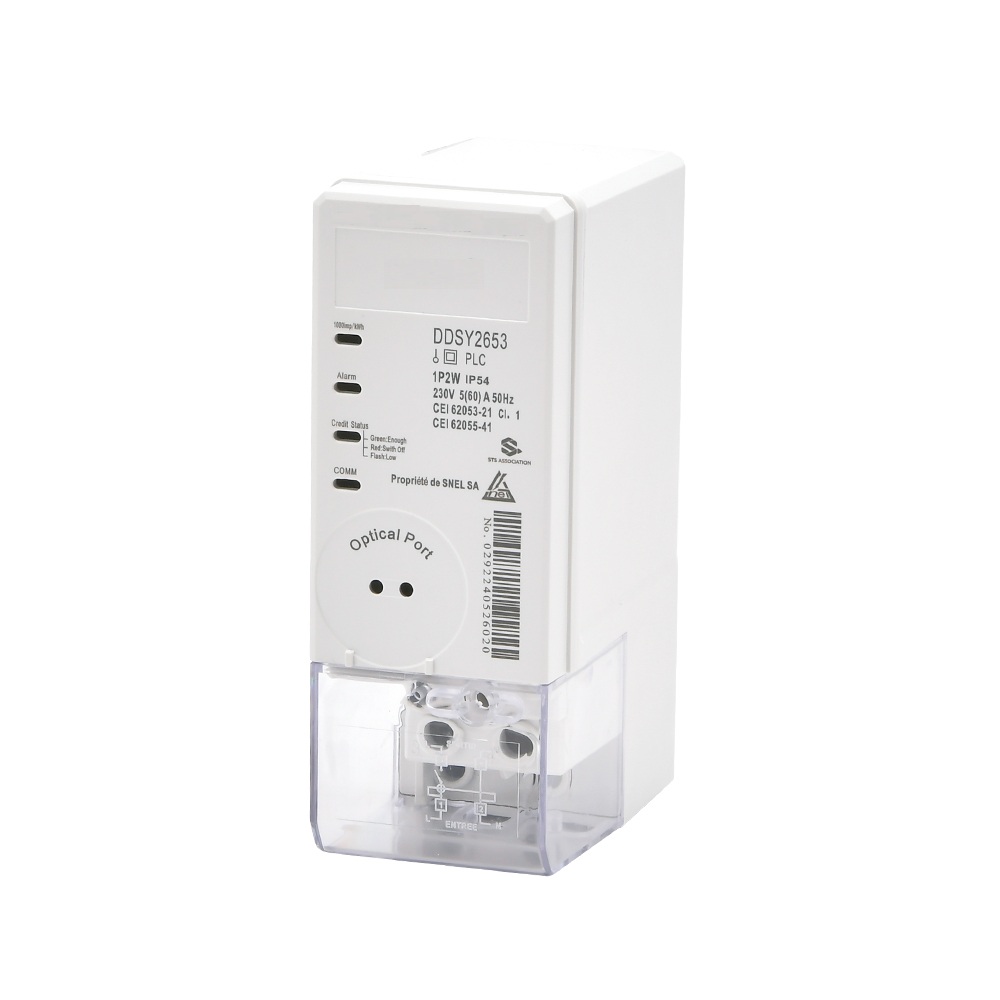
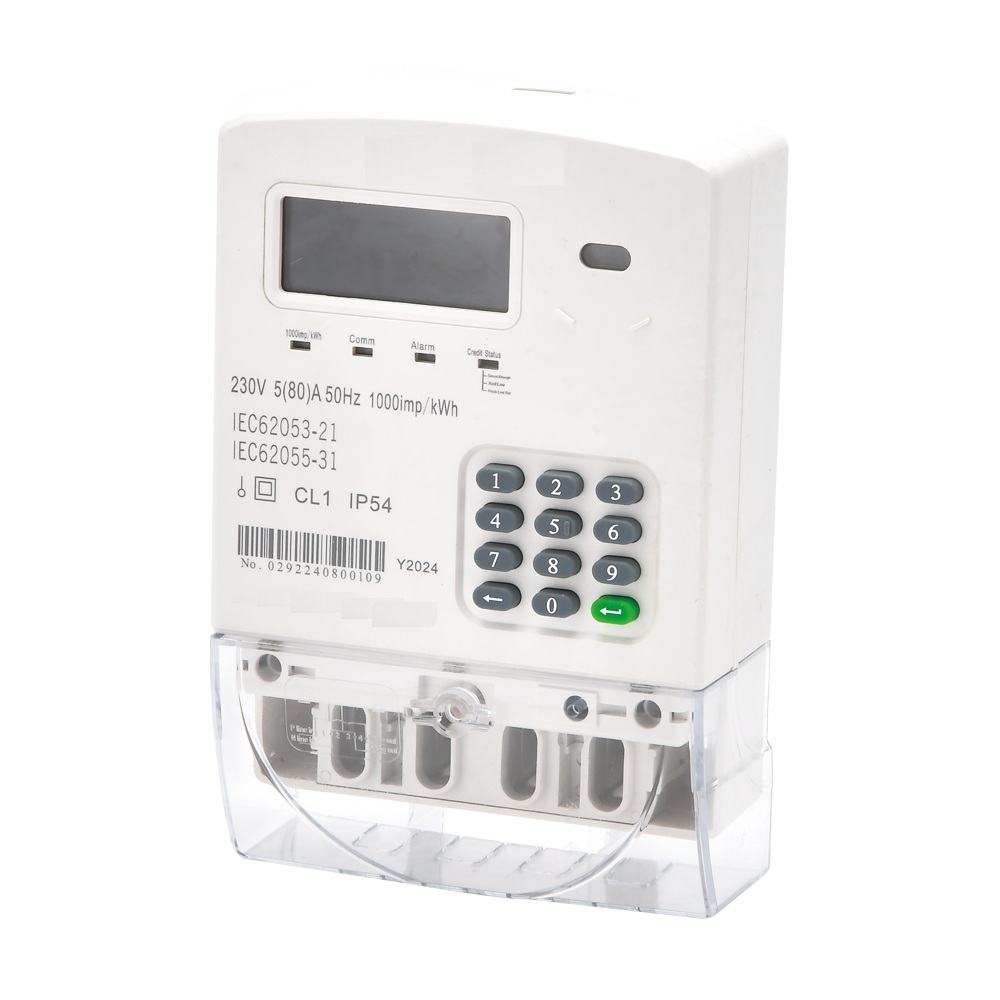
Answer: The capacity of an prepaid electricity meter is indicated by its rated current. The main rated parameters of the prepaid electricity meter shown in the figure: 220V, 5(60)A, mean the rated voltage of the prepaid electricity meter is 220 volts, the reference current is 5 amperes, and the maximum rated current is 60 amperes.
If the connected load exceeds the rated current of the prepaid electricity meter (circuit overload), the meter will heat up. High temperatures may burn out internal components of the meter and even cause open flames and fires. In such cases, a higher-capacity prepaid electricity meter shall be replaced in a timely manner.
Knowledge 2: What types of prepaid electricity meters are available for residential applications?
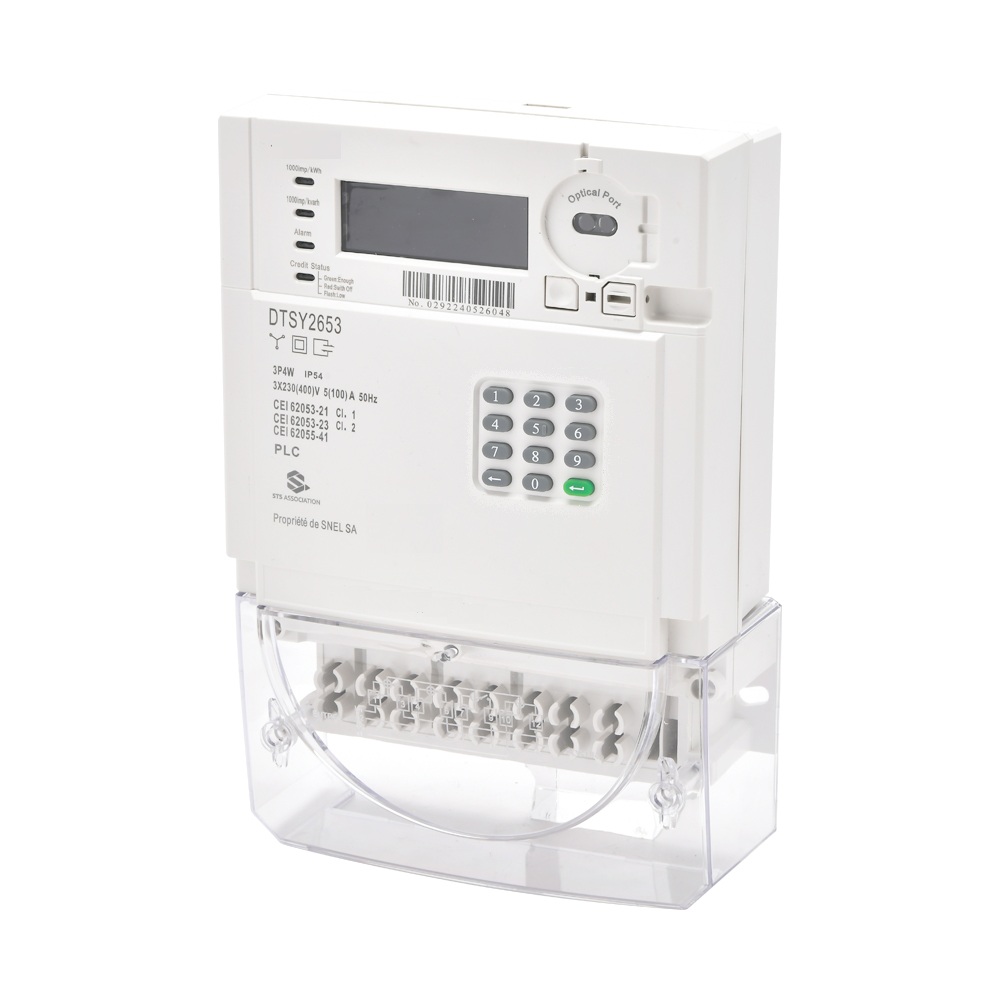
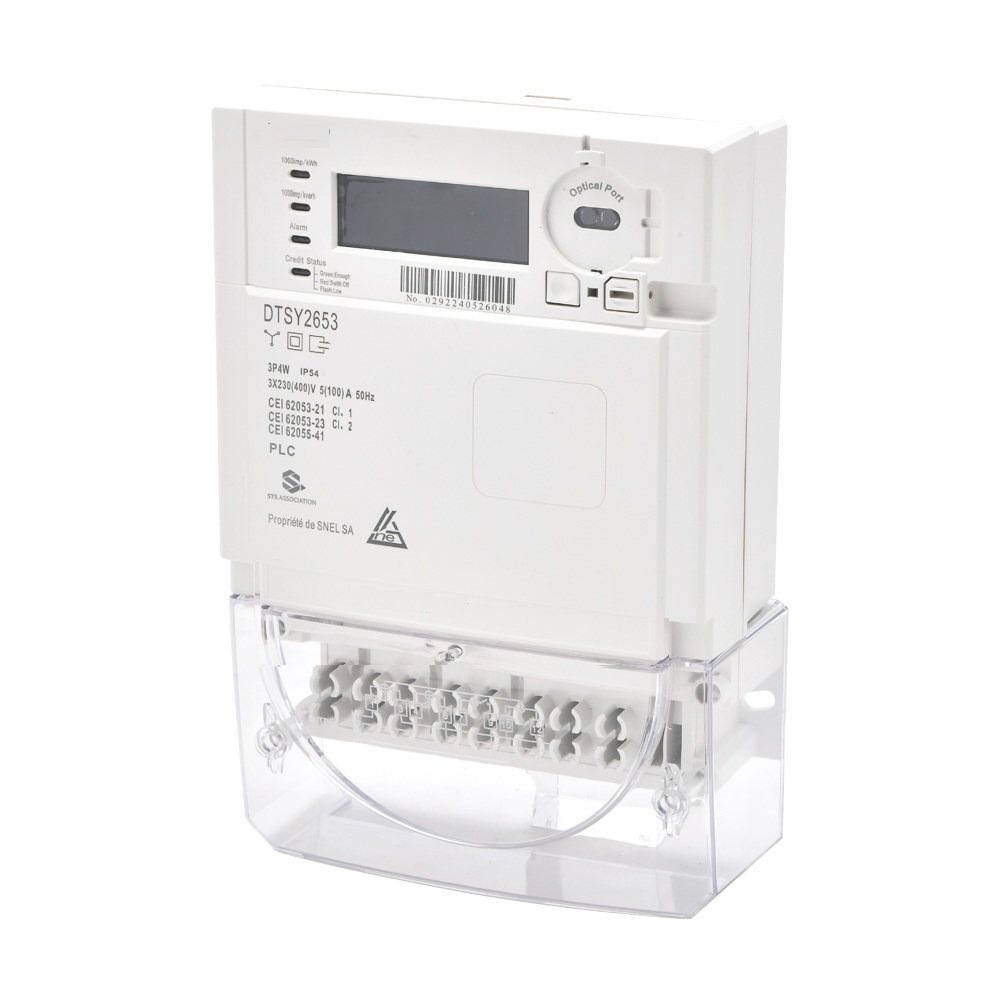
Answer: Common single-phase prepaid electricity meters for residential use include specifications such as 5(20)A, 5(40)A and 5(60)A. Some villa residences have three-phase electrical appliances and require three-phase prepaid electricity meters, with specifications including 3×5(60)A, 3×5(80)A, etc. Users may select and install meters according to the total power consumption of household electrical appliances.
Knowledge 3: Points to note for prepaid electricity meter capacity upgrade
Answer: When upgrading the capacity of an prepaid electricity meter, check whether the indoor wiring meets design requirements. For example, a 10(40)A prepaid electricity meter requires copper conductors with a cross-sectional area of no less than 6 square millimeters; conductors must be replaced if this requirement is not met. During house renovation, allow for additional electrical appliances in the future by appropriately increasing conductor cross-sections or reserving several circuits.
Knowledge 4: How to check whether an prepaid electricity meter works normally?
Answer: For a mechanical prepaid electricity meter: observe the aluminium disc inside the meter from the front. It shall rotate when power is consumed and stay stationary when no power is used. Mechanical prepaid electricity meters have low accuracy; replacement is recommended.
For an electronic prepaid electricity meter: check the pulse indicator light on the nameplate at the front of the meter. The light shall blink on and off when power is consumed, and stay steadily on or off when no power is used.
(Note: "No power consumption" means all household electrical appliances are completely disconnected from the power supply, not merely on standby.)
Knowledge 5: Why is there a reading difference between the master meter and sub-meters for customers using a meter group?
Answer: The main reasons are as follows:
Reading errors of the master meter and sub-meters, failure to include decimal digits of sub-meter readings, or inconsistent reading dates for the master meter and sub-meters.
Electric leakage may occur on wiring within the master meter’s scope, or electricity theft may take place among customers under the master meter.
Power loss occurs on the conductors running from the master meter to sub-meters, and the sub-meters themselves also consume power. Such losses are recorded by the master meter but cannot be captured by sub-meters (line losses).
Improper installation of sub-meters fails to cover all branch circuits. Part of the power consumption is only recorded on the master meter, resulting in discrepancies between the master meter and sub-meters.